%204.webp)

Exterior Cladding
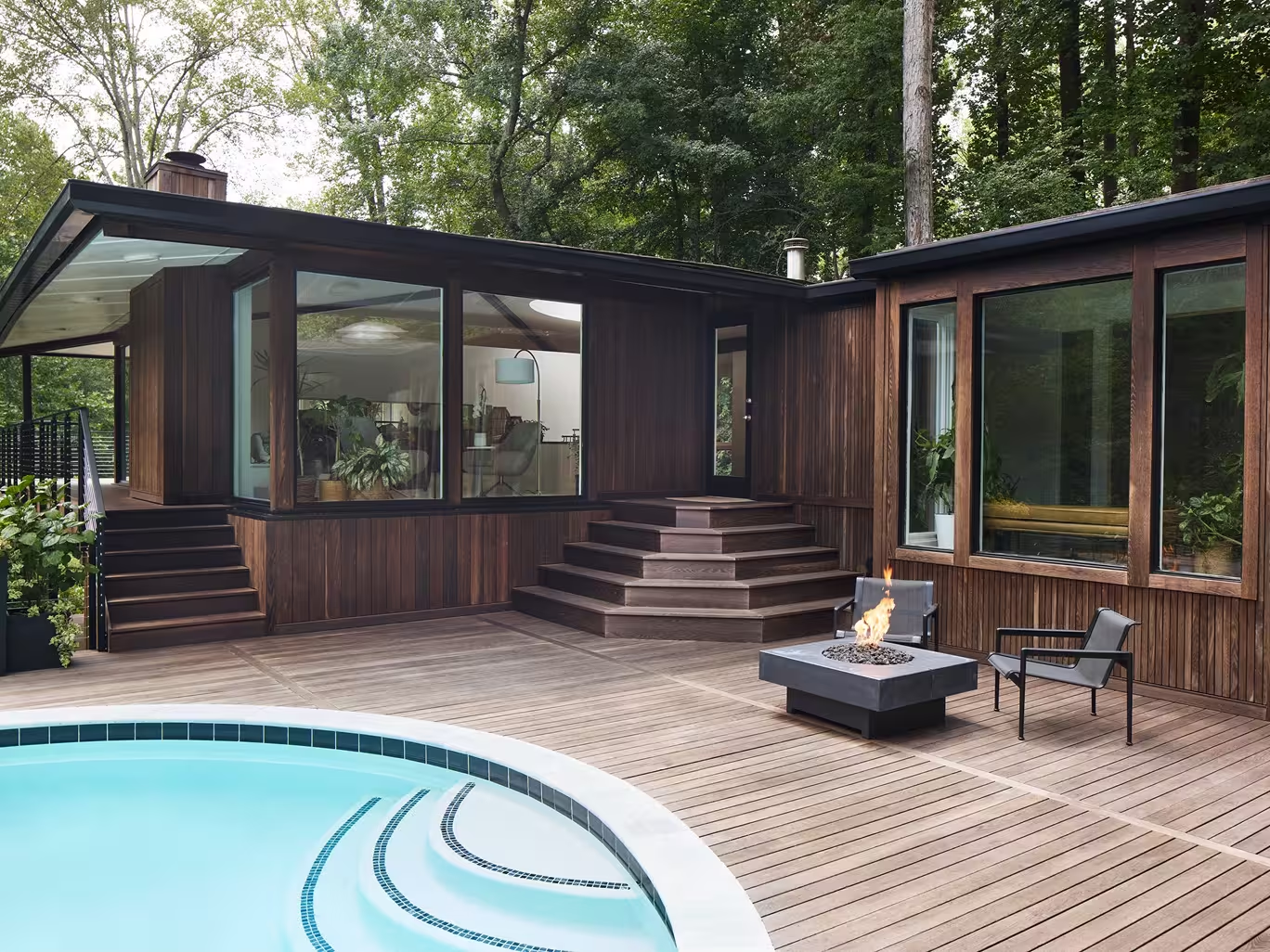
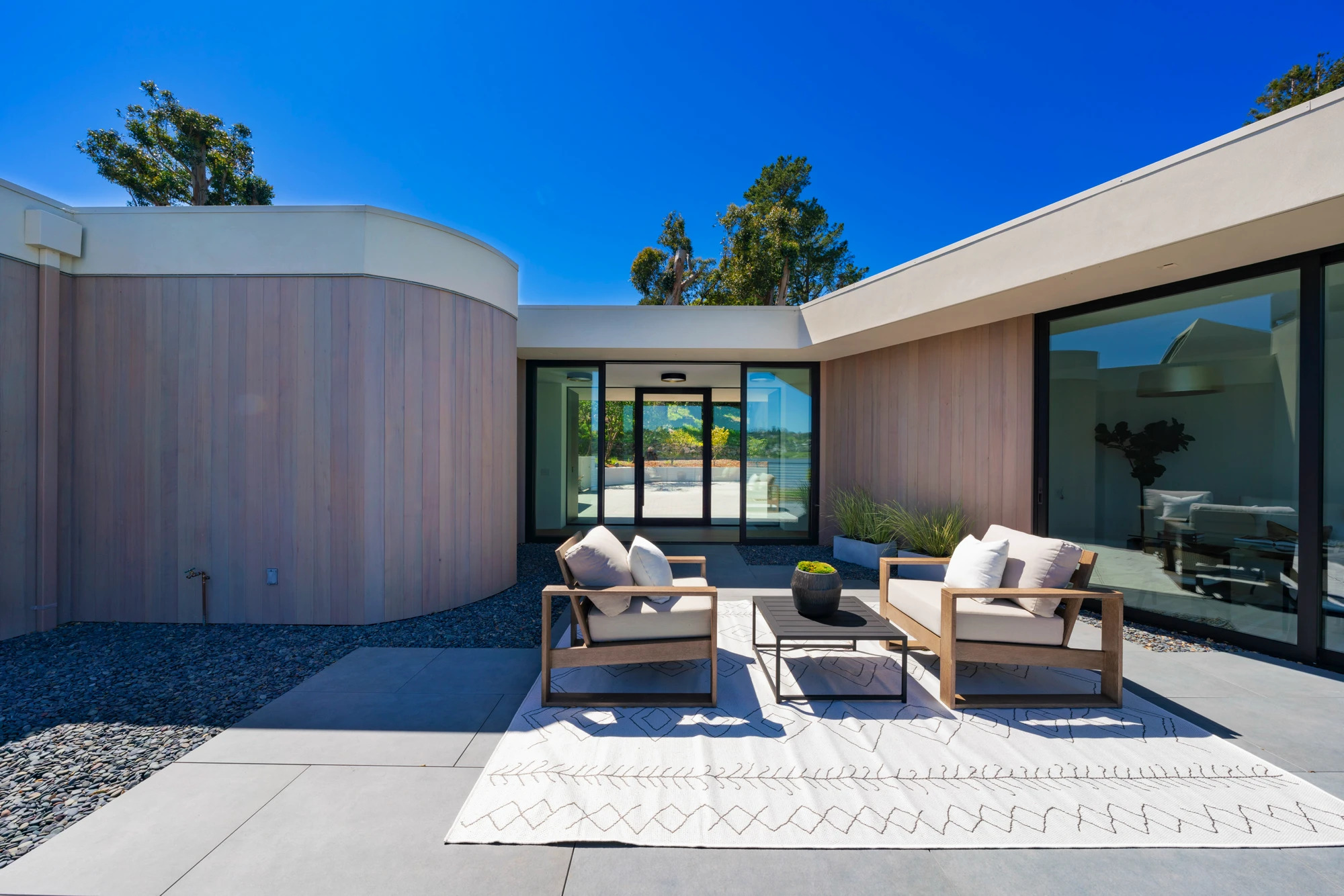
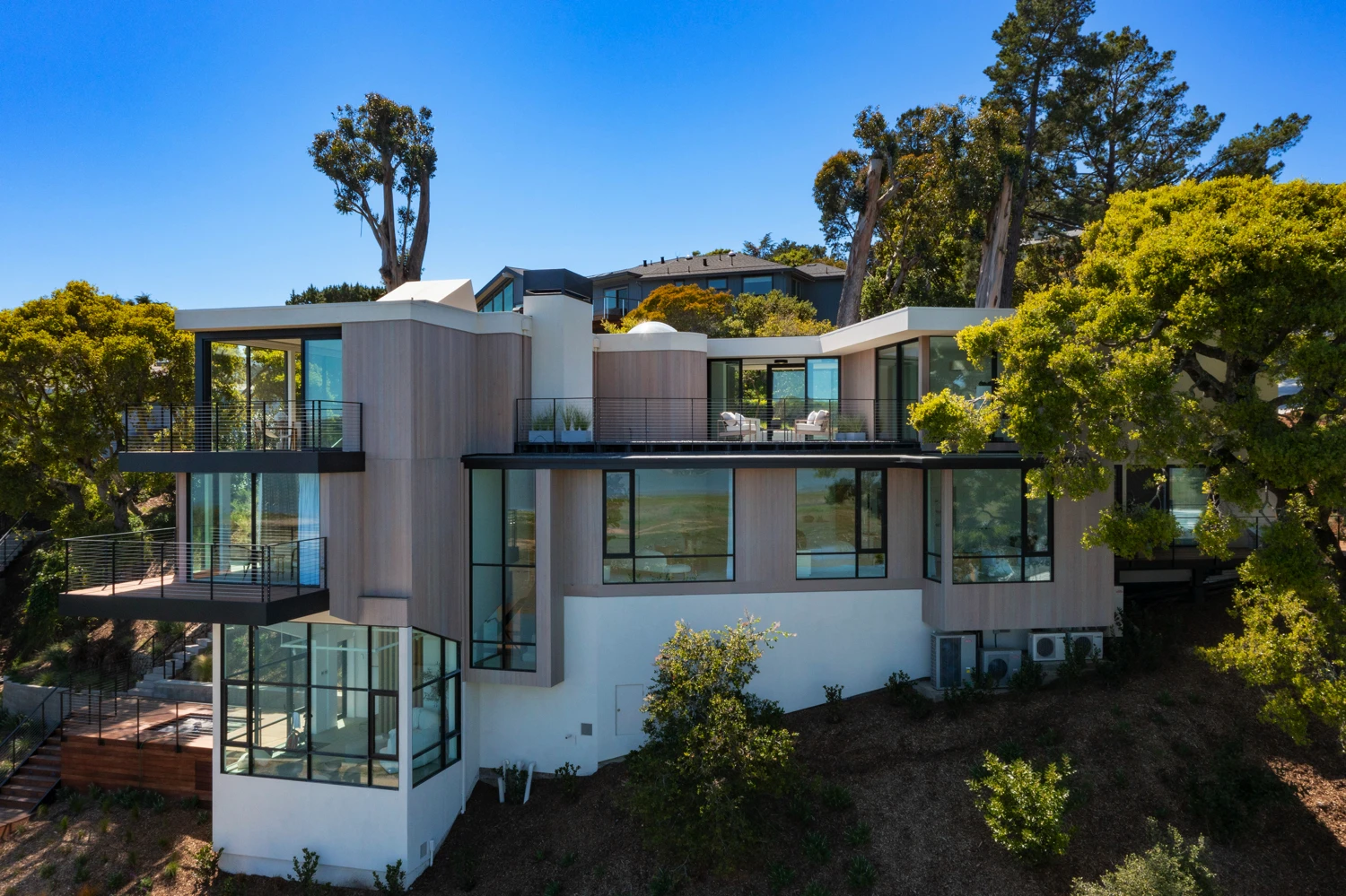
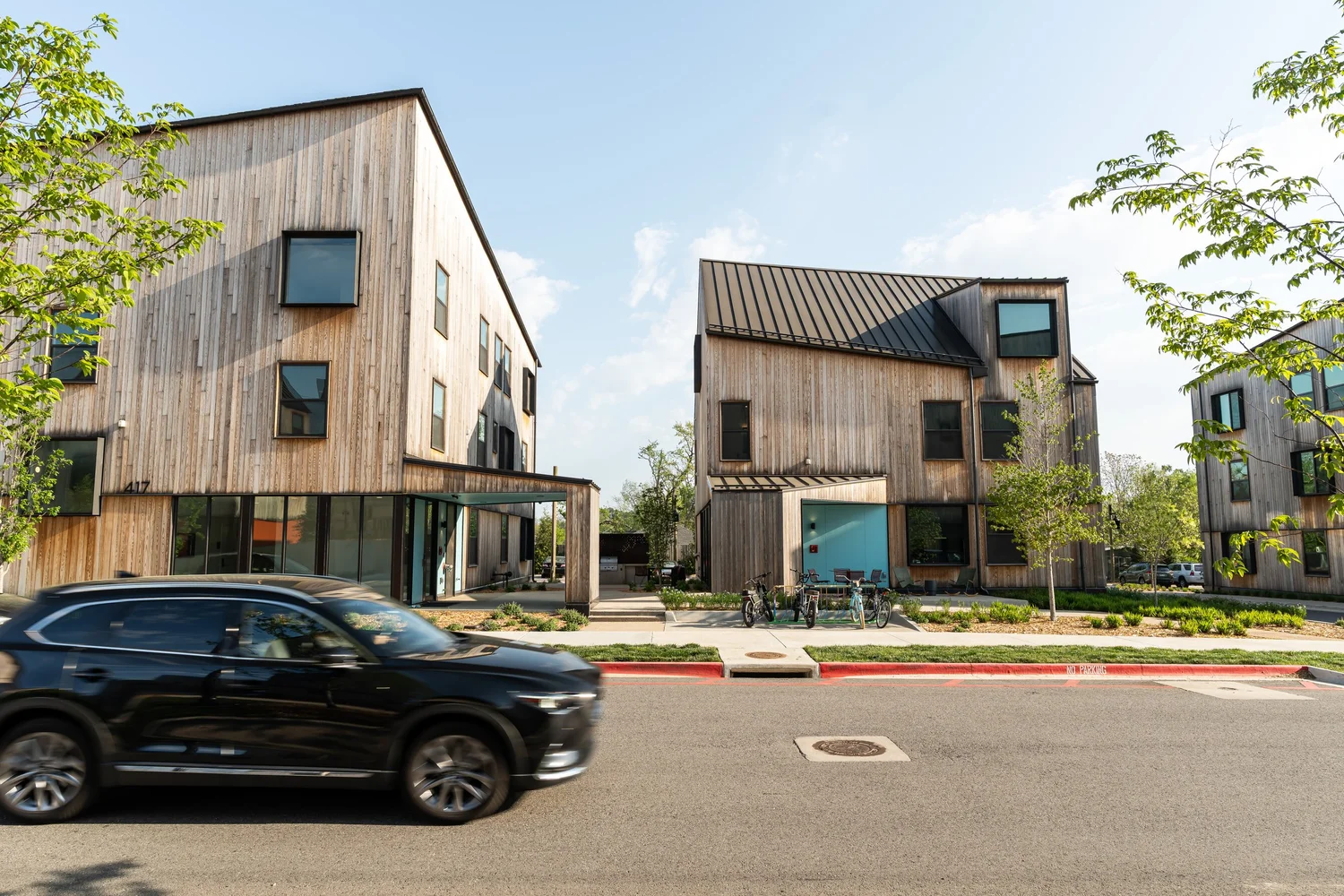
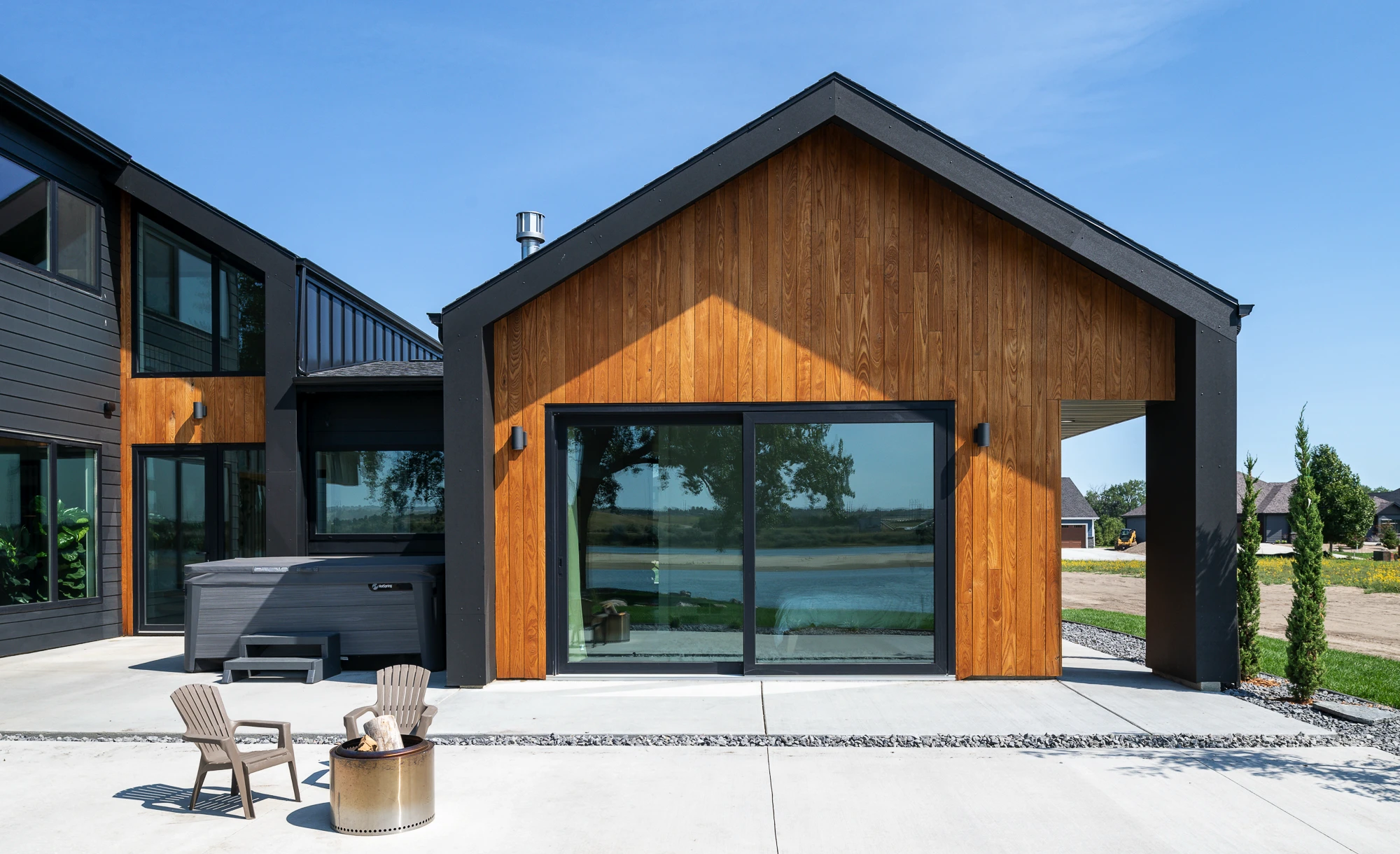
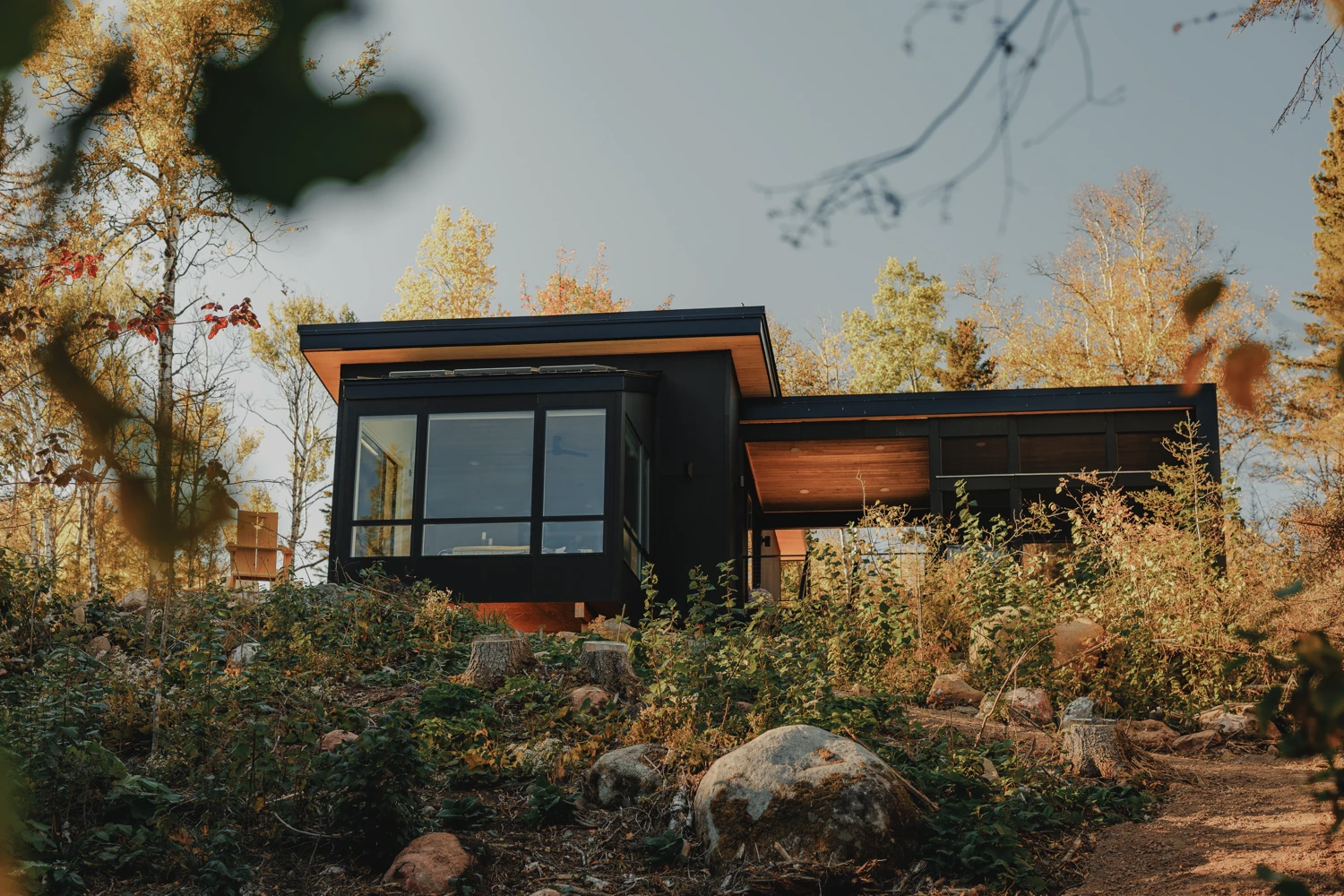
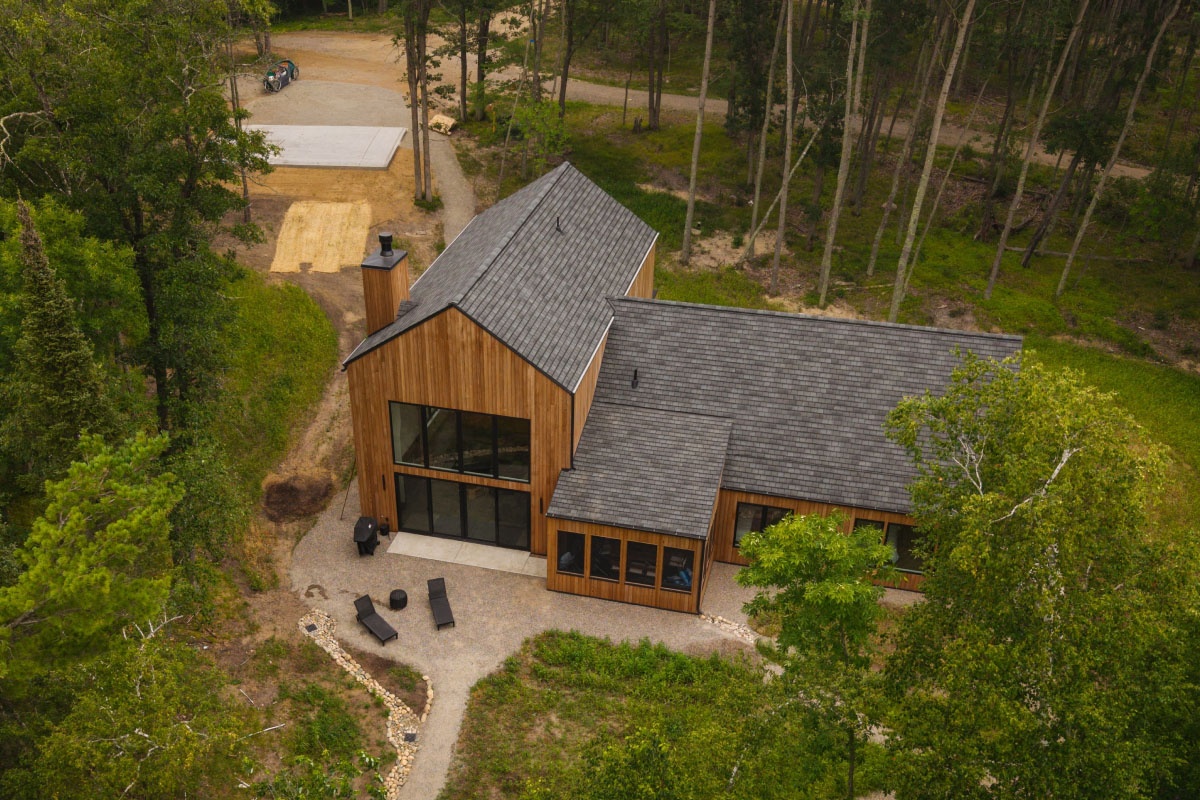
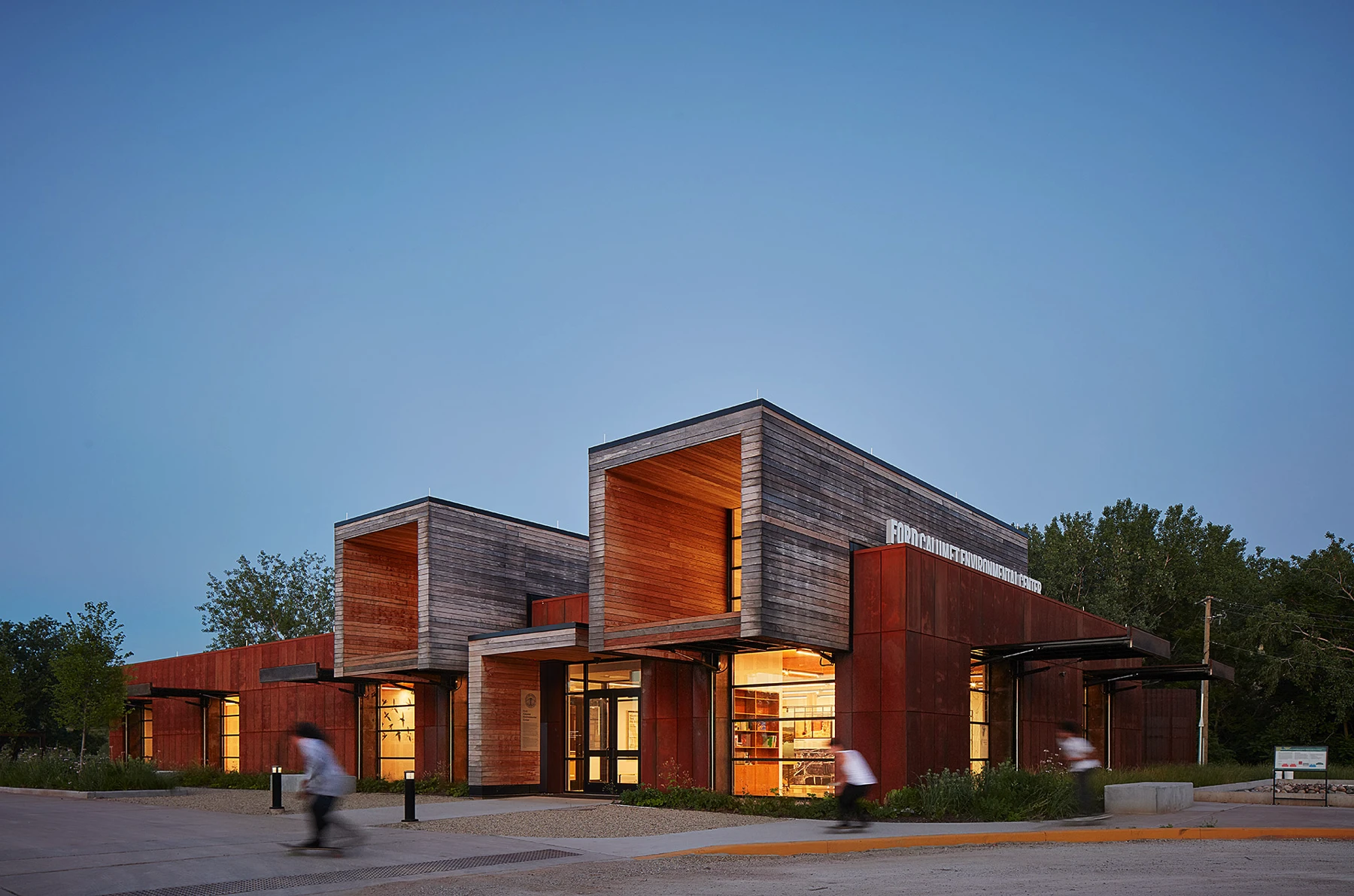
Real wood cladding that transforms an elevation. Thermally modified species and naturally durable cedar, domestically sourced, chemical-free, and built to weather beautifully for decades.


Built for the Outside

Rot-Resistant Without Chemicals
Thermal modification strips out the moisture and sugars that feed rot and insects, using only heat and steam. There are no chemical preservatives to leach or off-gas.

Domestic Answer to Tropical Hardwood
Class 1 durable species like Thermal Oak deliver the exterior performance ipe is specified for, from American wood with reliable domestic supply.

Rain Screen Ready
Cambium cladding is built to install over furring as a ventilated rain screen, the assembly that lets air move, sheds water, and makes wood cladding last.

Weathers on Your Terms
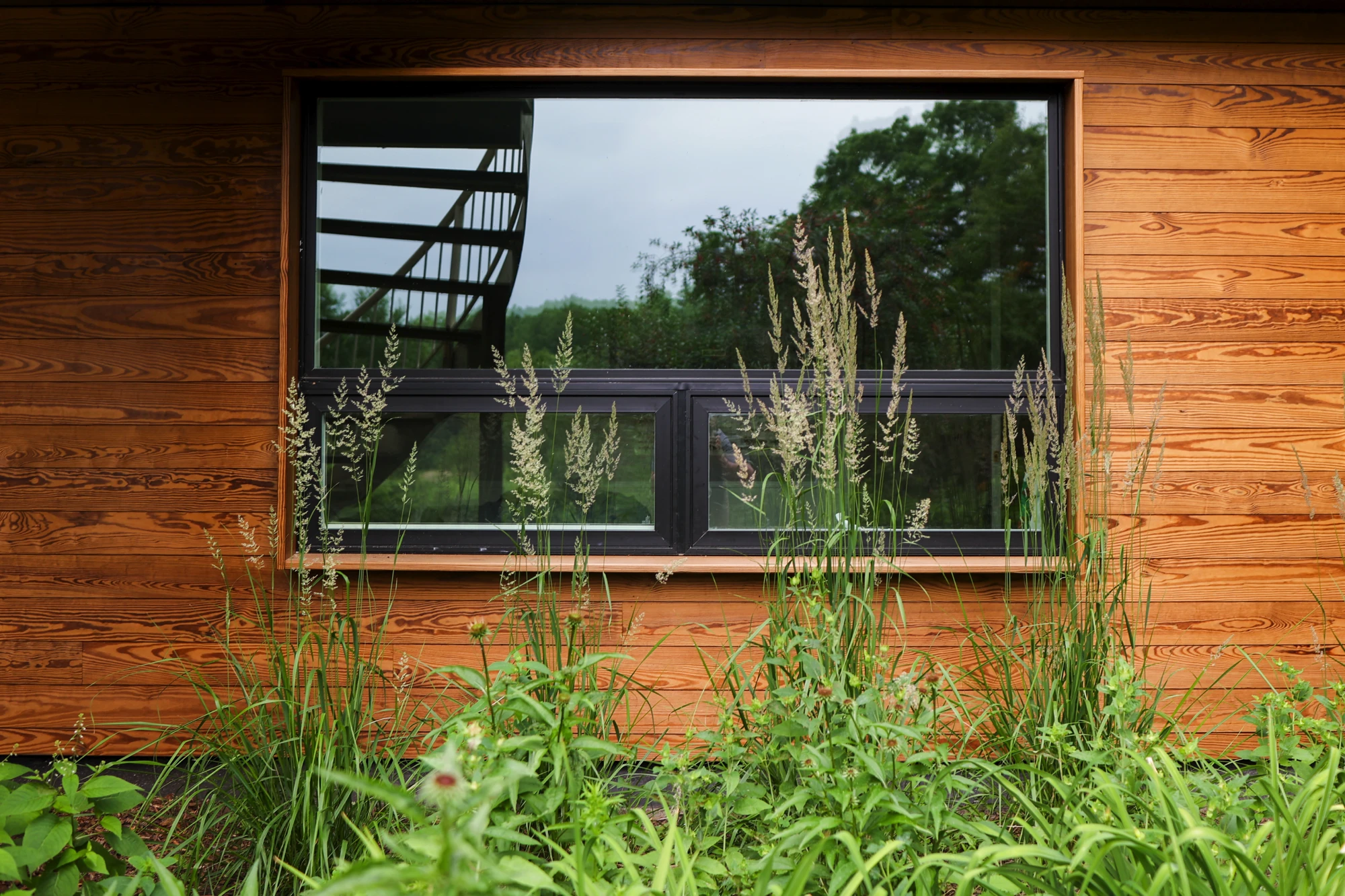
Let it silver to a natural gray, or hold the original tone with a penetrating oil. Either way, the weathering is a color choice, not a durability one.

%206.webp)
.webp)

.webp)
%201.webp)
Know what you need?
If you have your profile, coverage, and finish nailed down, we can move fast. Send the takeoff and we'll turn around pricing.
Frequently asked
What cladding species does Cambium offer?
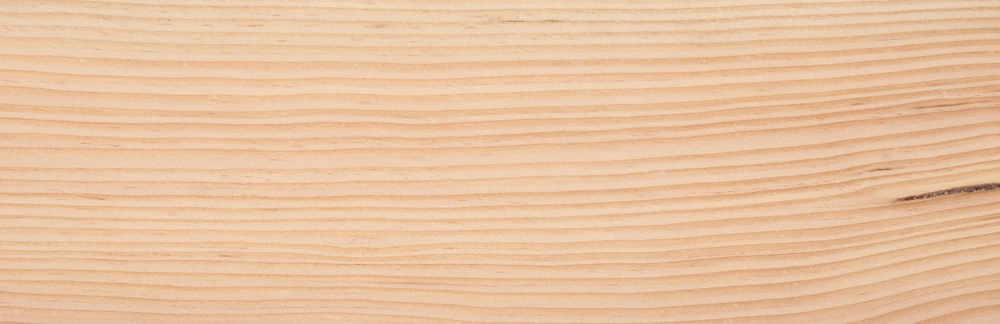
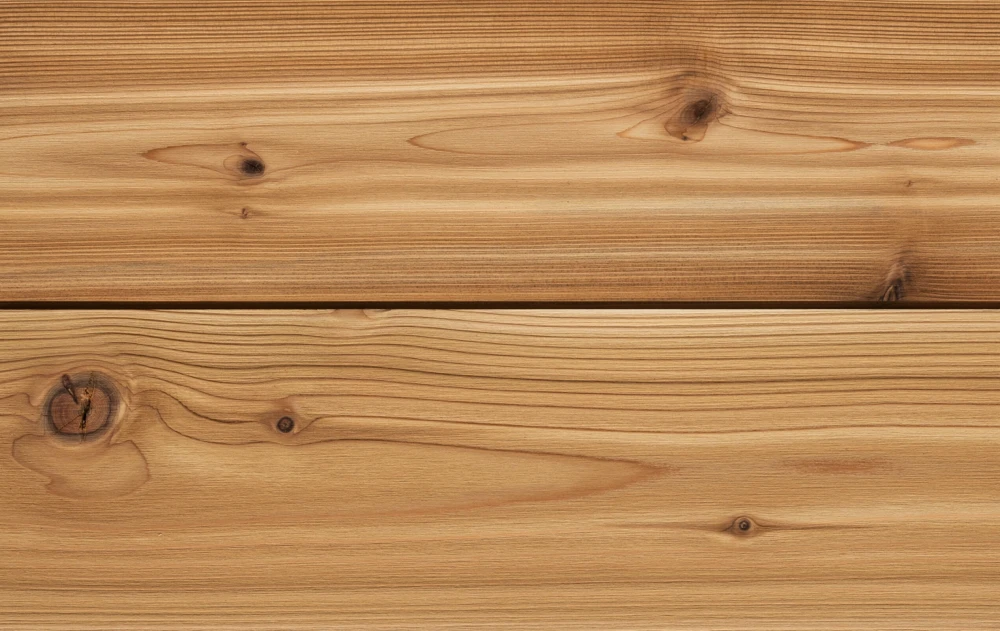
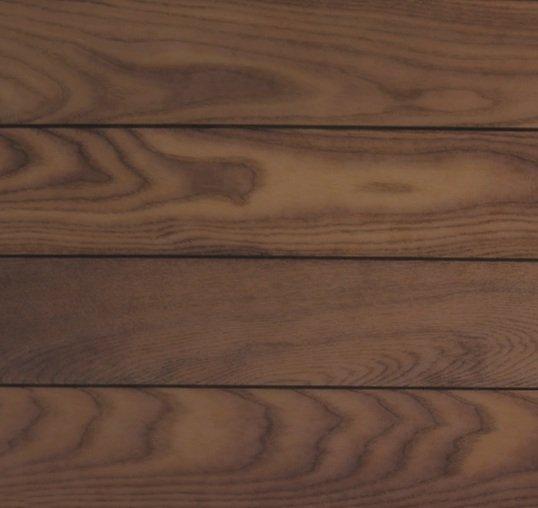
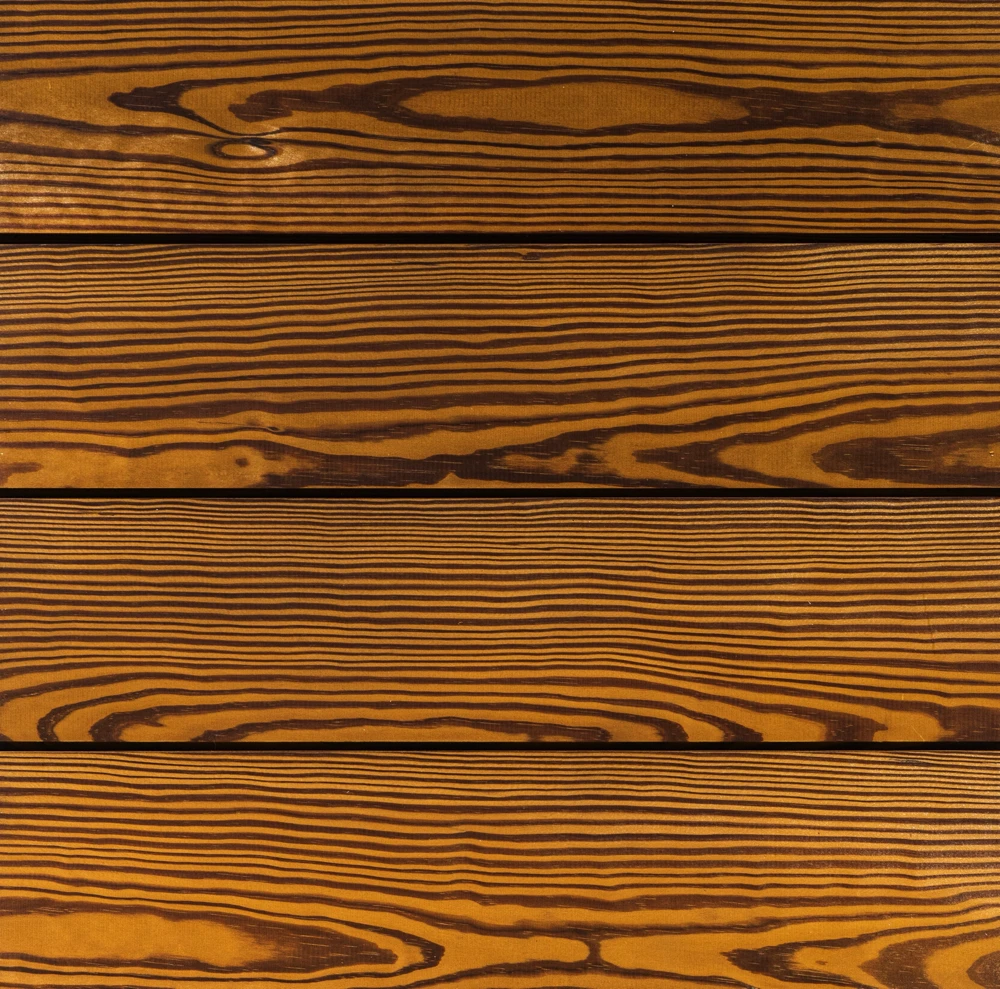
Six species across two lines, all made in the USA. From Carbon Smart Wood: Silky Cedar, a naturally durable cedar that silvers gracefully; Thermal Oak, Class 1 durable; Thermal Poplar, a lightweight hardwood modified for the outdoors; and Douglas Fir, a strong, warm-toned softwood. From Arbor Wood Co.: Thermal Pine, Thermal Ash, and Thermal Poplar. Poplar is available from both lines.
What is thermally modified cladding?
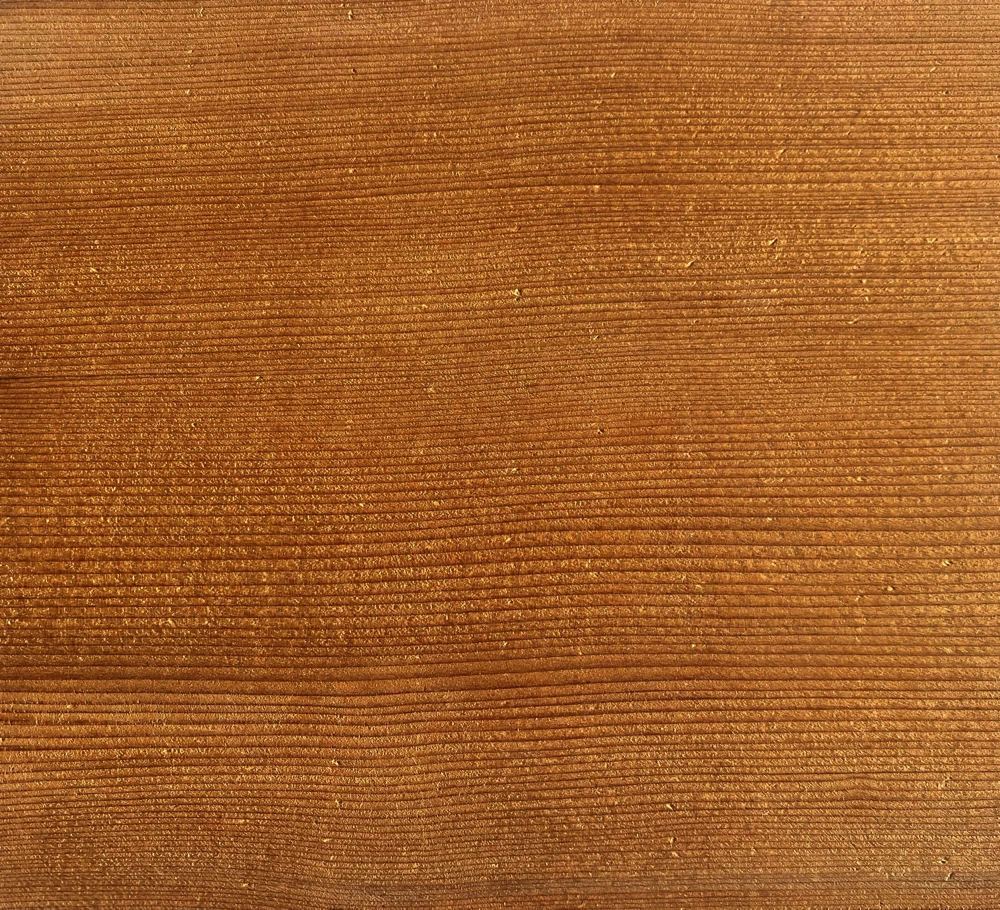
Wood that has been through a kiln process using only heat and steam, with no chemicals. It removes the moisture, sugars, and starches that cause rot and insect damage, and deepens the color through the full thickness of the board. Carbon Smart Wood siding is certified to AWPA Use Class UC3B (above ground, exposed), sourced and processed entirely in the U.S., and suitable for any outdoor North American climate. Silky Cedar is the exception: it is naturally durable rather than modified.
How is wood cladding meant to be installed?
As a ventilated rain screen. Boards install over furring strips so air can move and water can drain behind the wall, which is what keeps wood cladding sound over decades. Fasten with stainless steel screws, never nails, and keep the assembly off the ground with clearance top and bottom. Boards should acclimate on site before installation. Both lines publish detailed guides, linked below.
Will it gray over time?
Left unfinished, yes. Boards weather to a silver-gray patina, and that is a color change, not a performance change. Many projects choose it on purpose. To hold the original tone, apply a penetrating oil with a UV colortone (both lines recommend CUTEK Extreme; clear oils alone are not UV resistant) and reapply as needed.
How does it compare to fiber cement, composite, or vinyl?
Those are manufactured cladding materials designed to imitate wood or stand in for it. This is the real thing: solid wood with genuine grain and depth, a surface that can be refinished rather than replaced, and a material that is still just wood at the end of its service life. Against tropical hardwoods, it offers comparable exterior performance from a domestic source rather than imported timber.
Is there a warranty?
Yes. Both the Carbon Smart Wood and Arbor Wood Co. lines carry limited 20-year warranties covering fungal degradation, buckling, and structural failure in above-ground installations, when installed and maintained per manufacturer instructions. A key one: fastening with nails, or failing to install over proper furring, voids the warranty.
Can I use it in a WUI or fire-prone area?
Wildland-Urban Interface zones have specific requirements, including how cladding is fastened to the wall assembly, so a compliant install differs from a standard one. Always confirm requirements with your local building code and inspector. Our team can help you plan the right species and assembly for a fire-prone site.
Let’s talk about your next project
Every exterior is different: exposure, fire requirements, fastening system, how you want it to weather. Tell us about the project and our team will help you spec the right species, profile, and rainscreen approach.