.webp)

Fencing
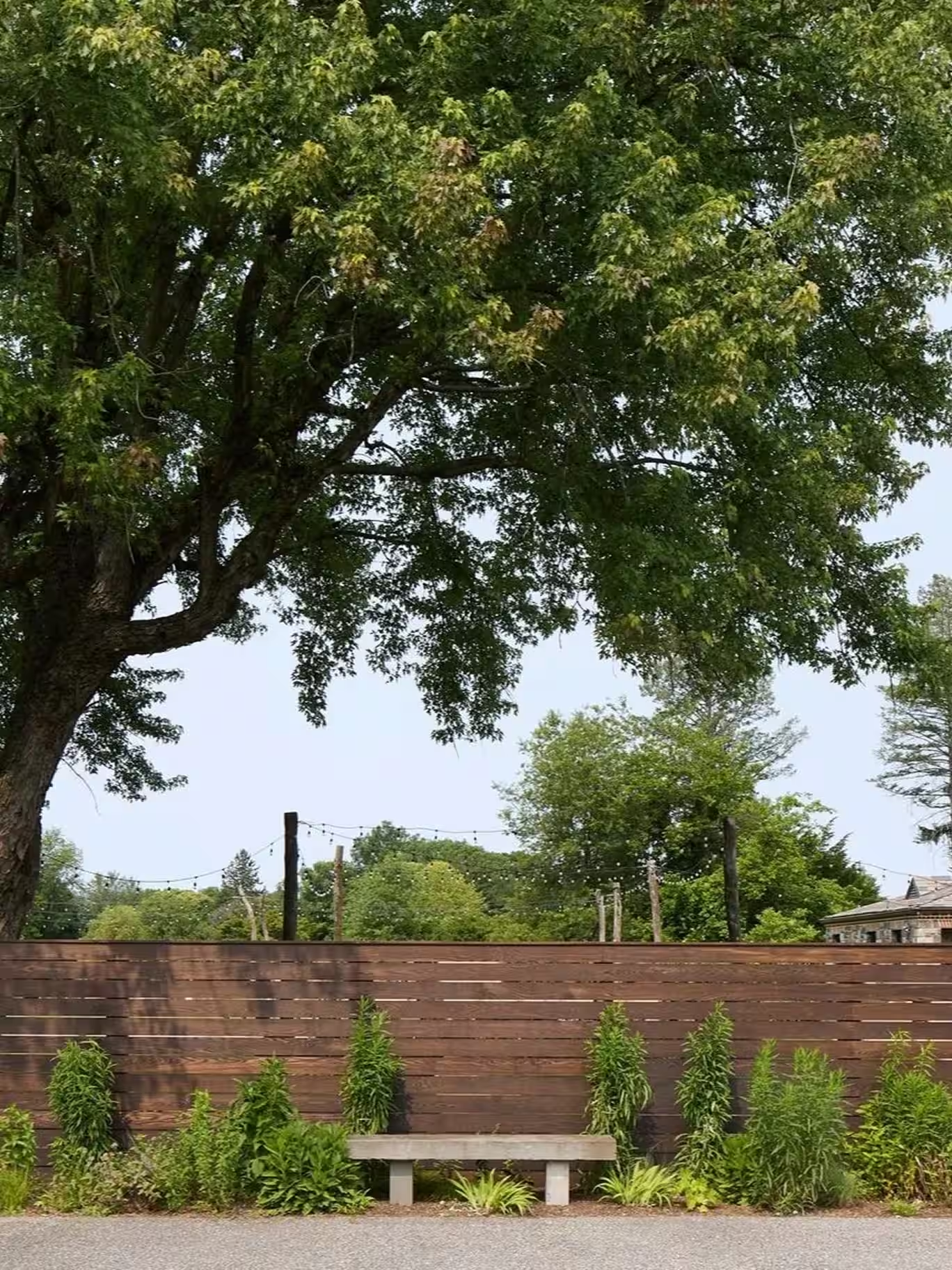
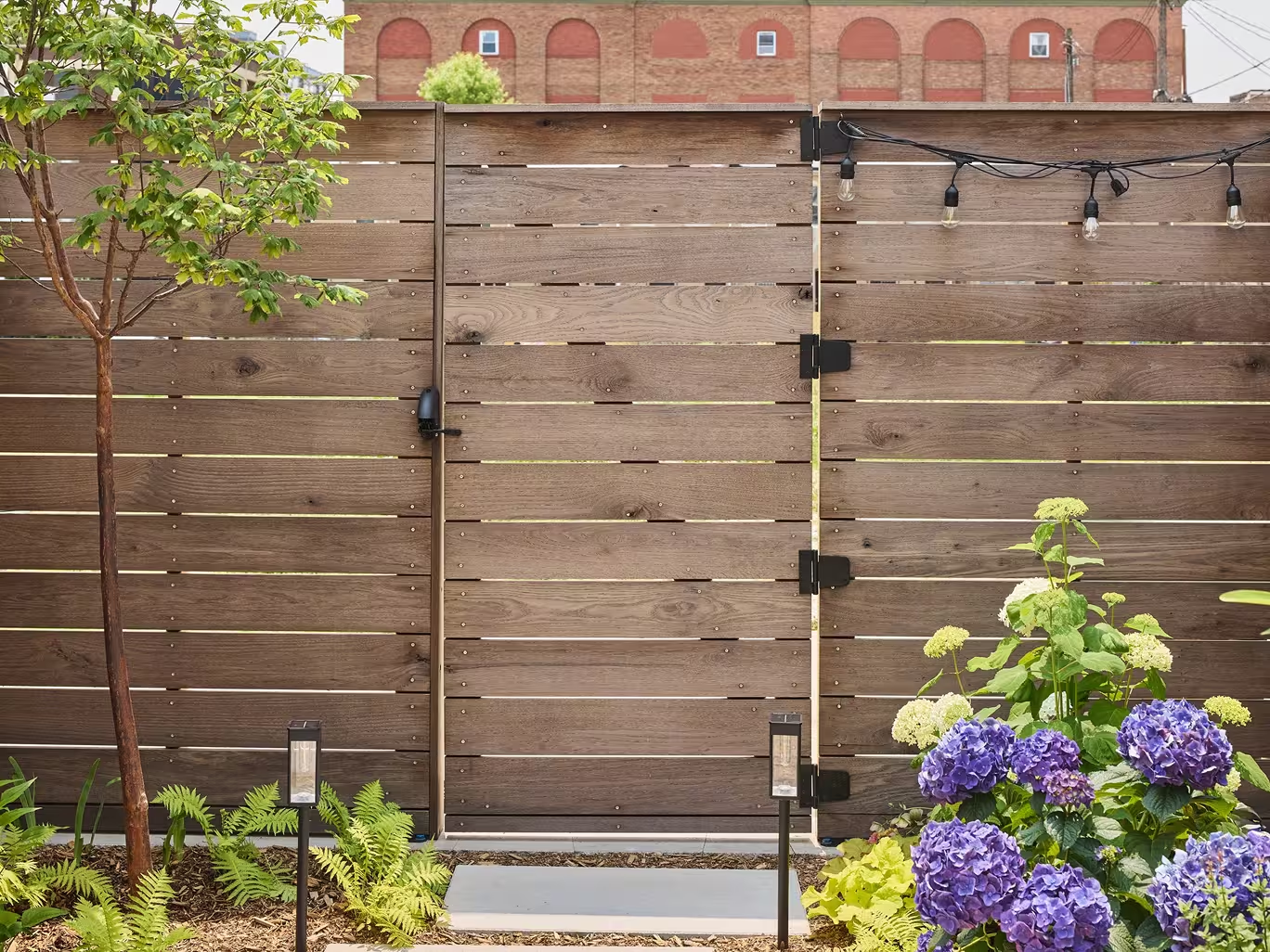
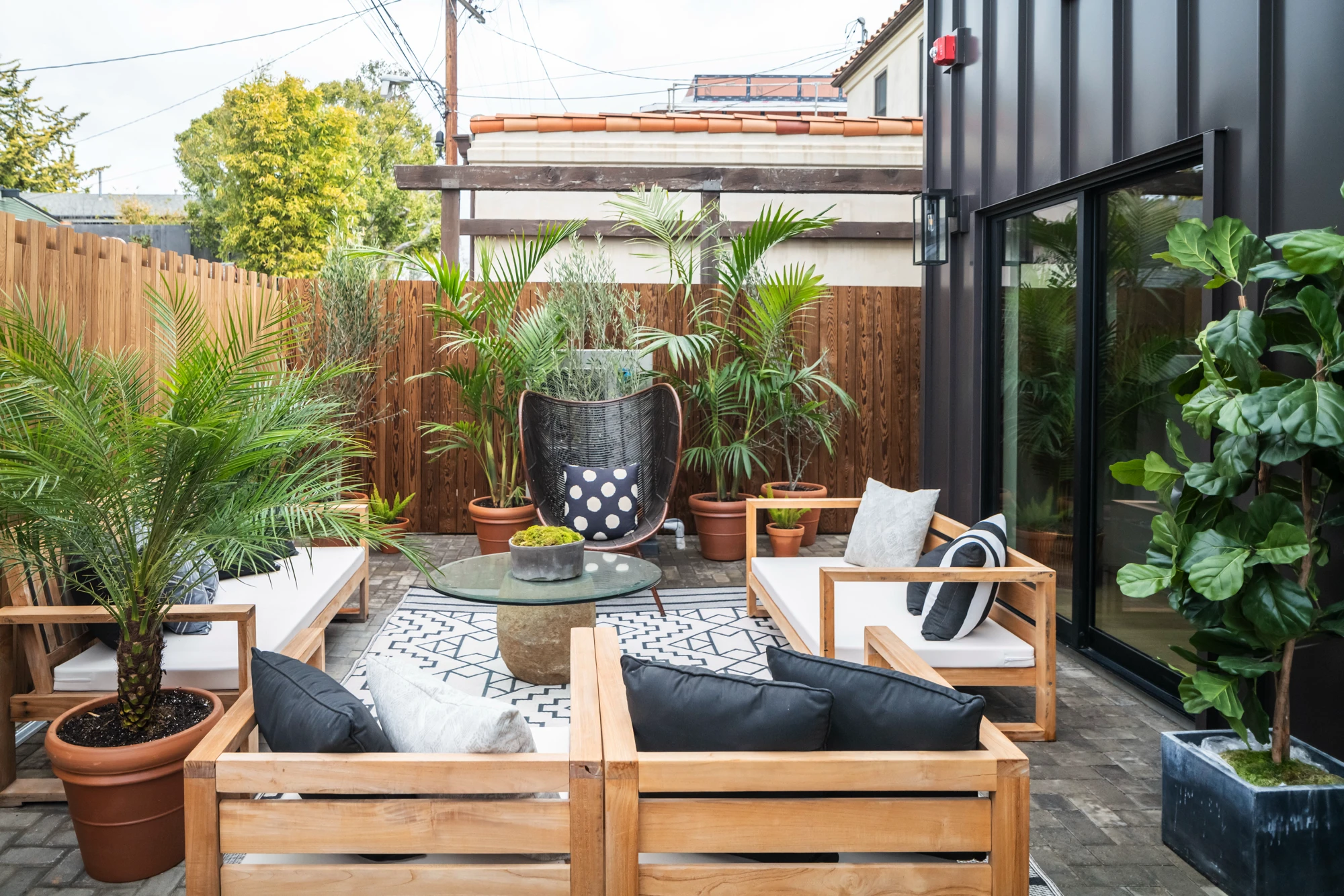
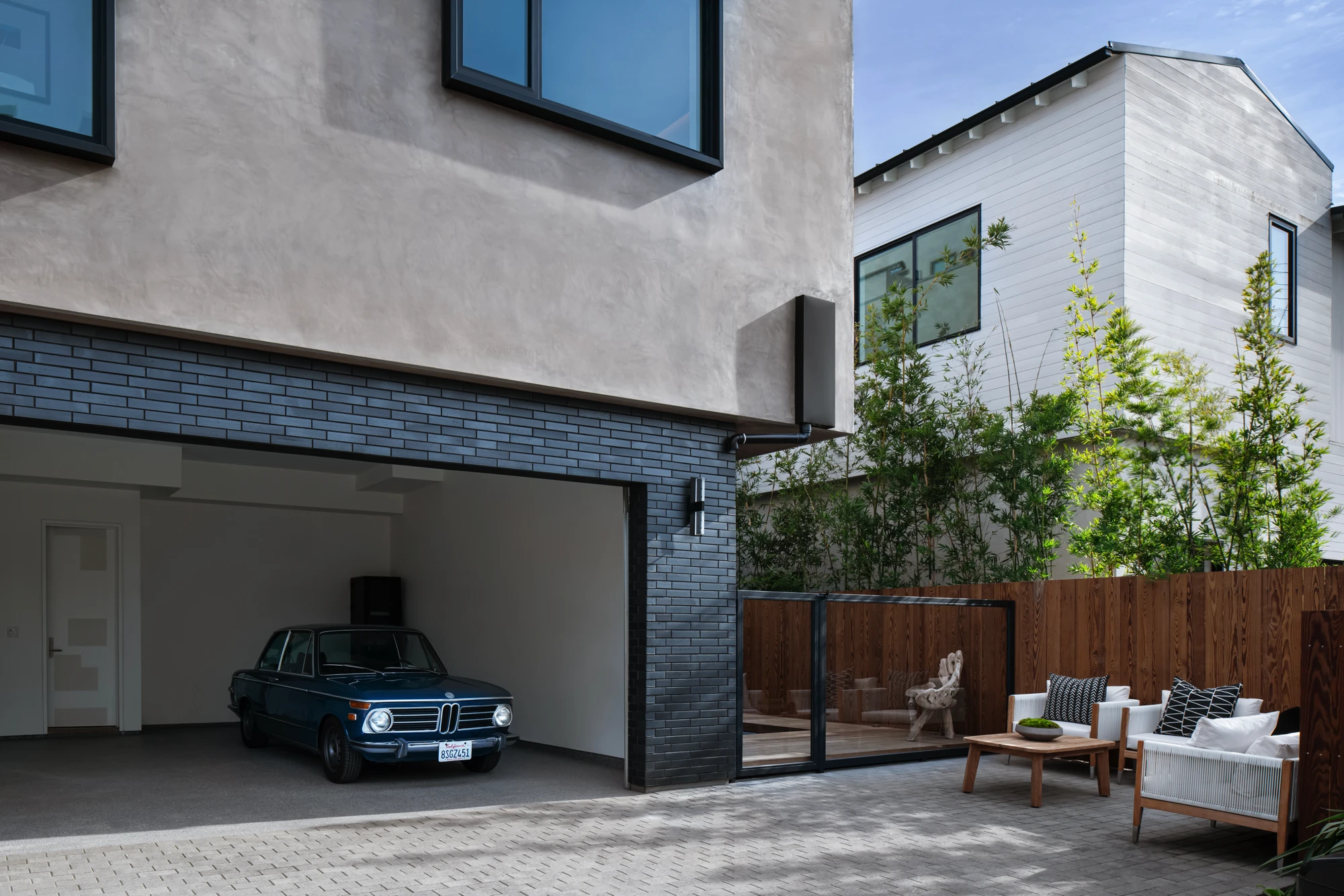
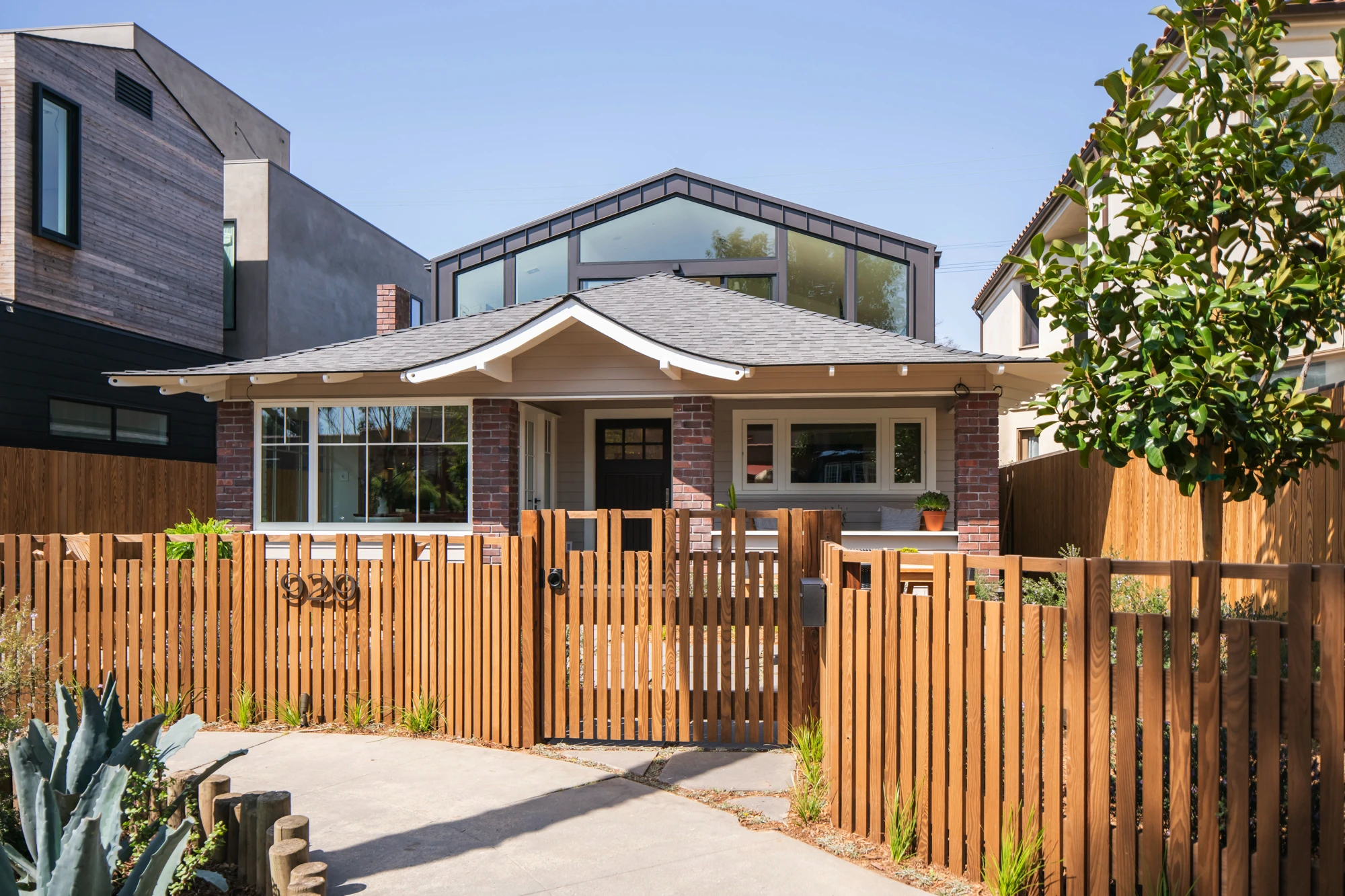
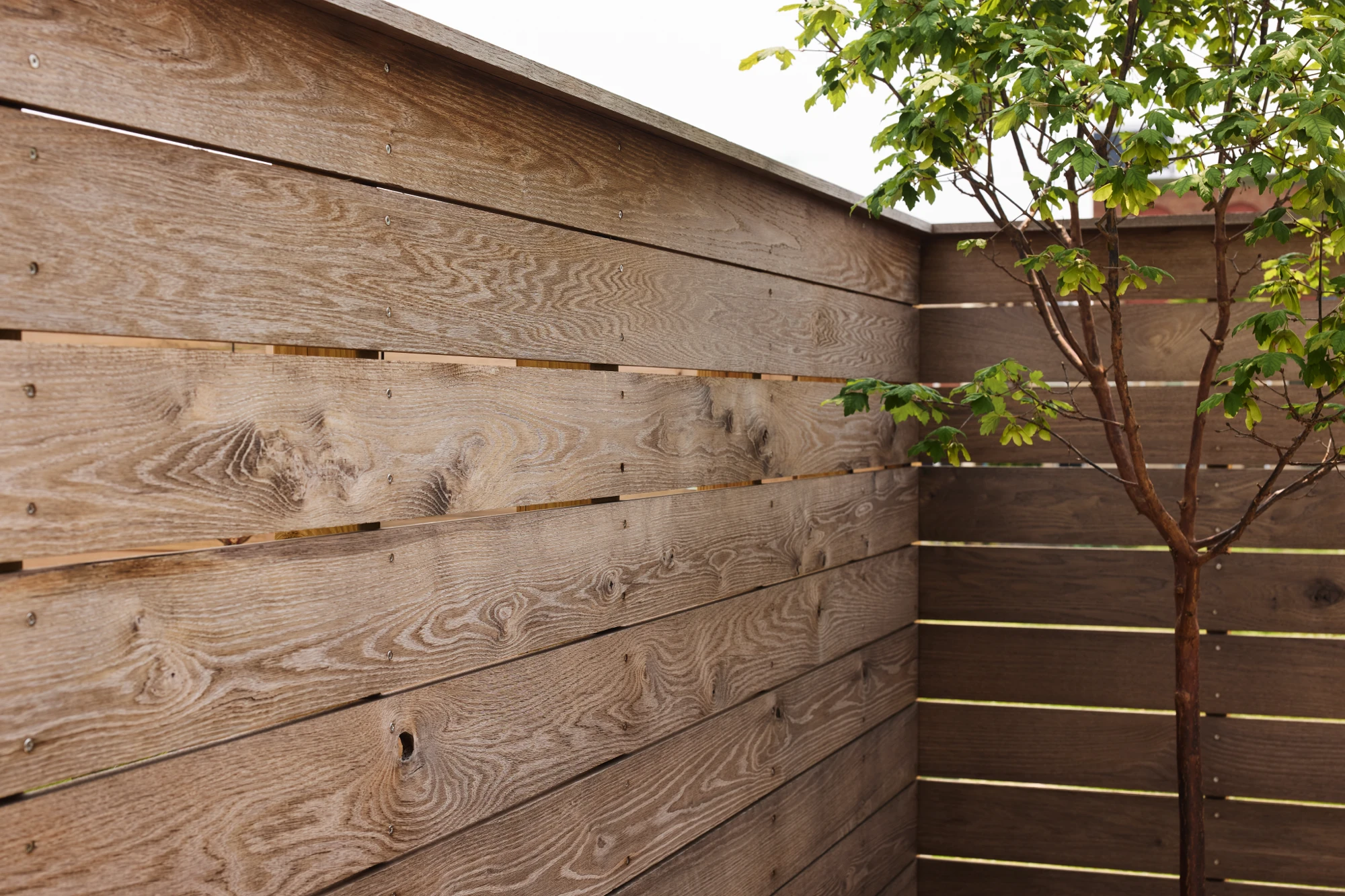
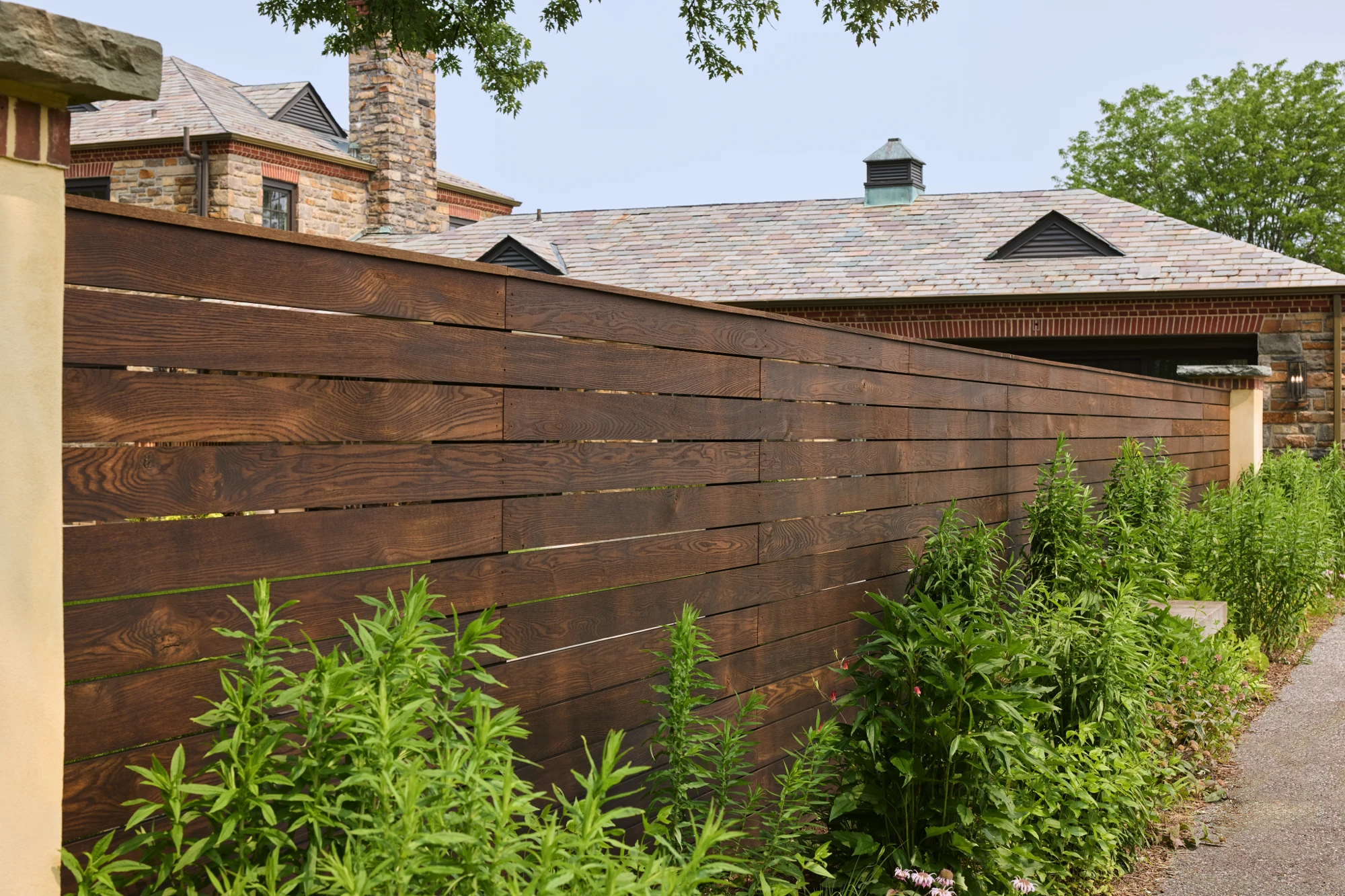
Real wood fencing that holds its own outdoors. Thermally modified species and naturally durable cedar, sourced and milled in the U.S., with no chemical preservatives.




Built to Hold the Line

Stable in the Weather
Modified boards absorb far less water, so they resist the cupping, warping, and movement that pull fence lines out of true.

Cleaner Alternative to Pressure-Treated
Fencing has long defaulted to pressure-treated lumber. Thermal Pine resists warp and decay for decades with no chemical preservatives, and lasts 2 to 3 times longer.

Species with Range
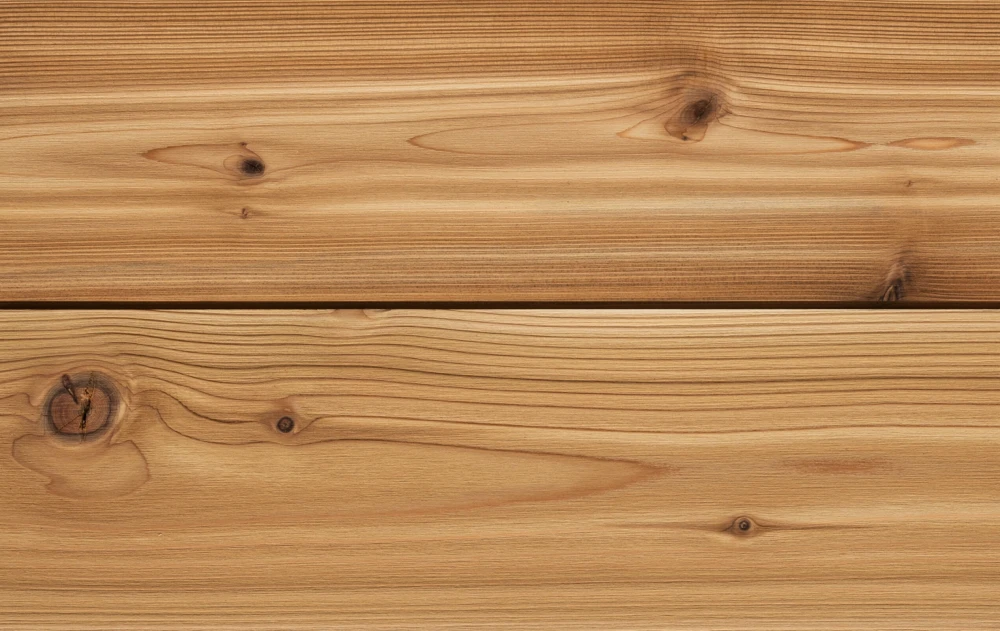
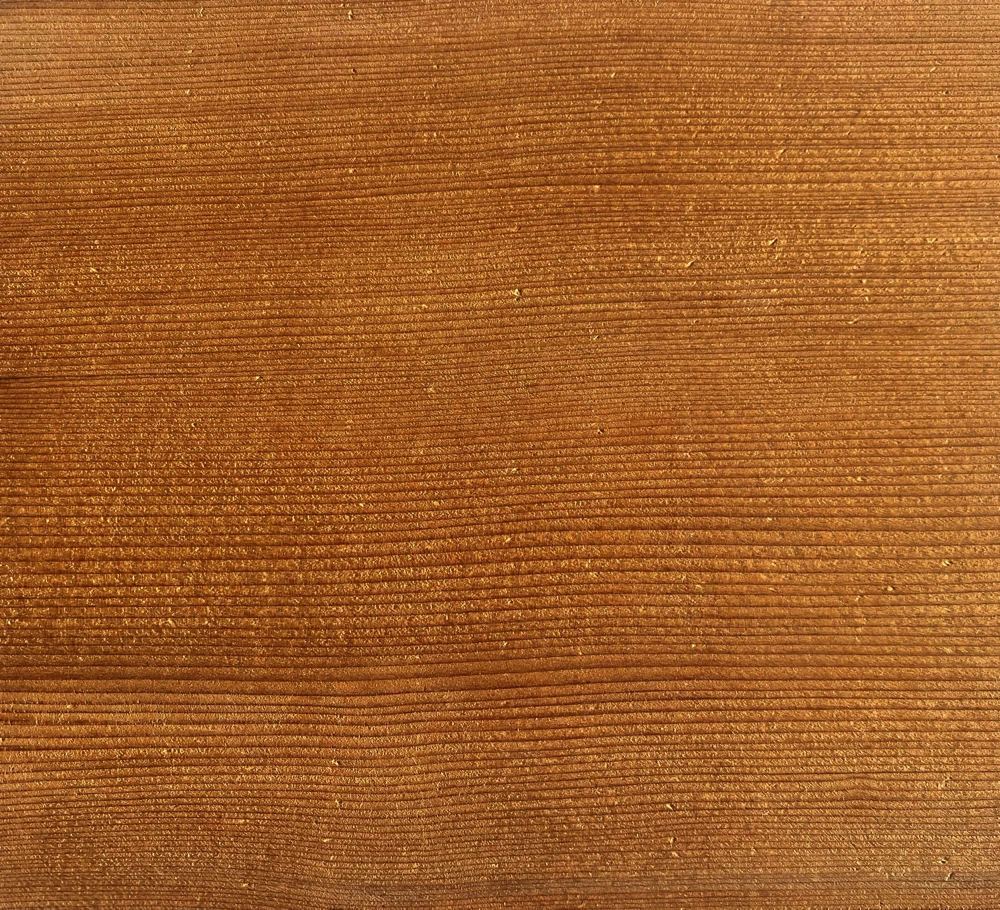
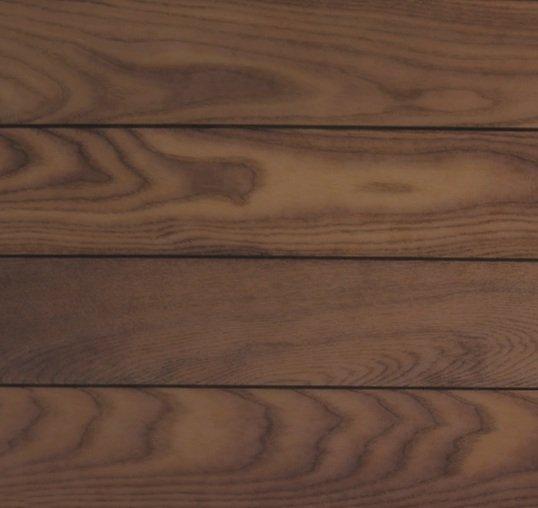
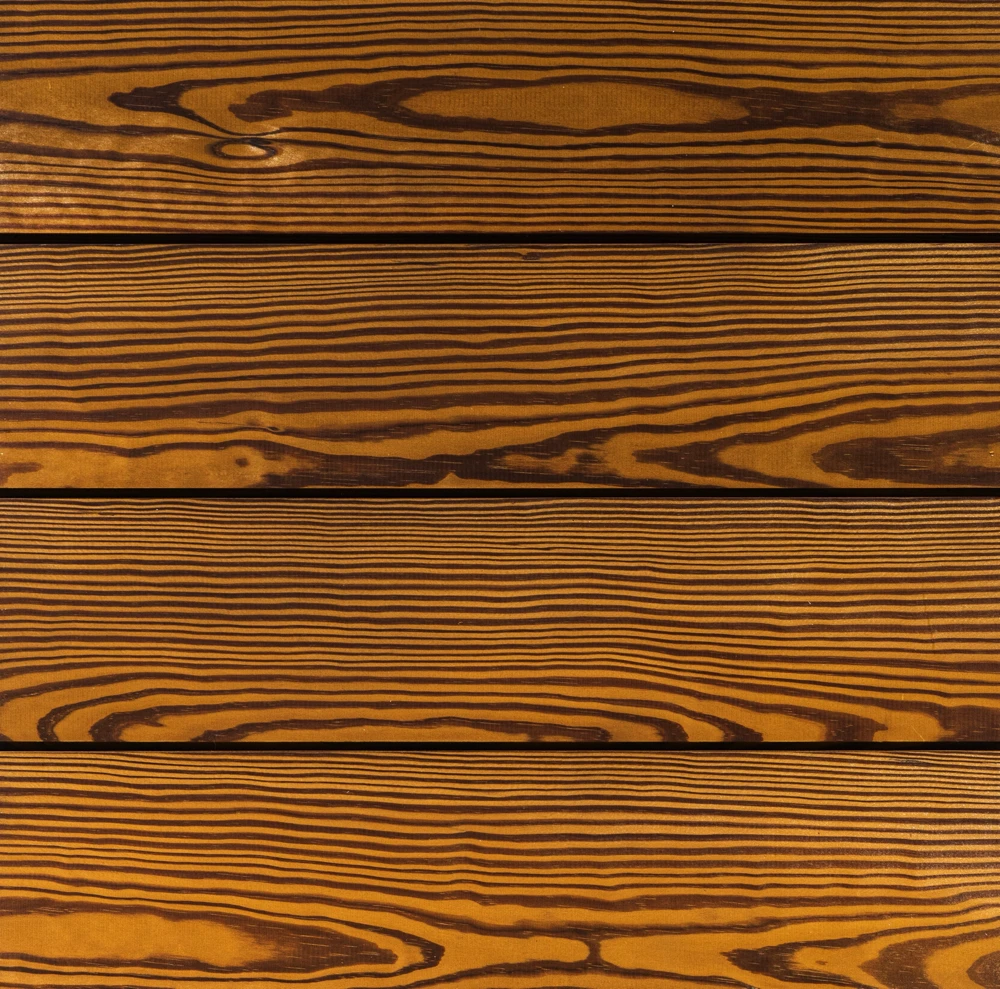
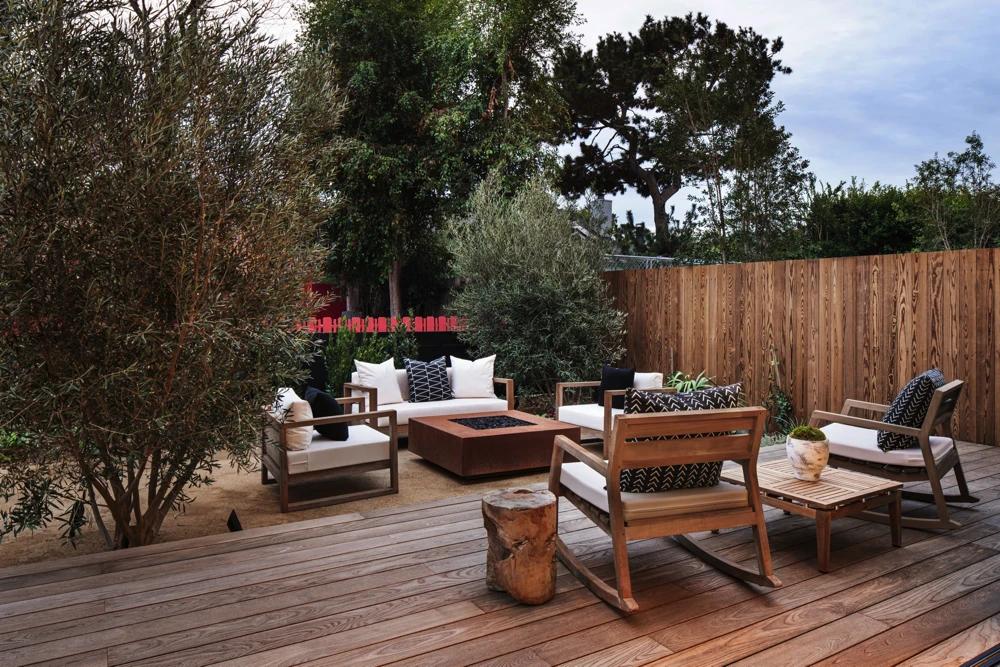
Silky Cedar for a classic cedar fence that silvers naturally, Thermal Poplar for rich, darkened tones, Thermal Oak for demanding installs, Thermal Pine for lightweight workability.

%201.webp)
.webp)
Know what you need?
If you know your linear footage, height, and style, you're most of the way there. Send us the details and we'll price it out.
Frequently asked
What fencing does Cambium offer?
Four species. From Carbon Smart Wood: Silky Cedar, a naturally durable incense cedar that weathers to a smooth, silky surface and a silver patina; Thermal Oak, with Class 1 durability; and Thermal Poplar, a lightweight hardwood thermally modified into a rich, exterior-ready material. From Arbor Wood Co.: Thermal Pine, a lightweight, resilient softwood built to last outdoors. All of it is sourced and processed in the U.S.
What is thermally modified wood?
Wood that has been through a three-phase kiln process using only heat and steam, with no chemicals. The process removes the moisture, sugars, and starches that cause rot and insect damage, and deepens the color through the full thickness of the board. Silky Cedar is the exception in this lineup: it is not modified at all, just naturally durable.
How does it compare to pressure-treated fencing?
Pressure treatment forces chemical preservatives into the wood. Thermal modification changes the wood itself, so there is nothing to leach out over time. Thermal Pine, for example, lasts 2 to 3 times longer than pressure-treated lumber, holds its color without constant upkeep, and resists warp and decay for decades.
Will the fence gray over time?
Left unfinished, yes. Boards weather to a silver-gray patina, and that is a color change, not a performance change. Many clients choose cedar and thermally modified wood for exactly that look. To hold the original tone, apply a penetrating oil with a UV colortone (CUTEK Extreme is recommended; clear oils alone are not UV resistant) and reapply as needed.
Where does the wood come from?
All of it is American. Silky Cedar is sourced from Pacific Northwest forest thinning and post-fire removal, part of what makes it one of the most sustainable cedars in North America. Thermal Oak is salvaged American red oak given a second life. Thermal Poplar comes from one of the most abundant hardwoods in America. Thermal Pine is domestically sourced and responsibly harvested.
Can the posts go in the ground?
Thermally modified wood is not rated for ground contact. Use it for the parts of the fence you see: boards, pickets, rails, and caps. For in-ground posts, pair it with posts rated for ground contact per your local code. Our team can help you detail the assembly.

Let's talk about your fence
Every fence line is different: exposure, wind, privacy, design intent. Tell us about the project and our team will help you land on the right species and profile.