
Plyboo
Plyboo is architectural bamboo: plywood, flooring, and carved wall panels from Smith & Fong, the most respected name in the category. Dense, dimensionally stable, and grown back in five years, not fifty.
A Grass That Builds Like Hardwood
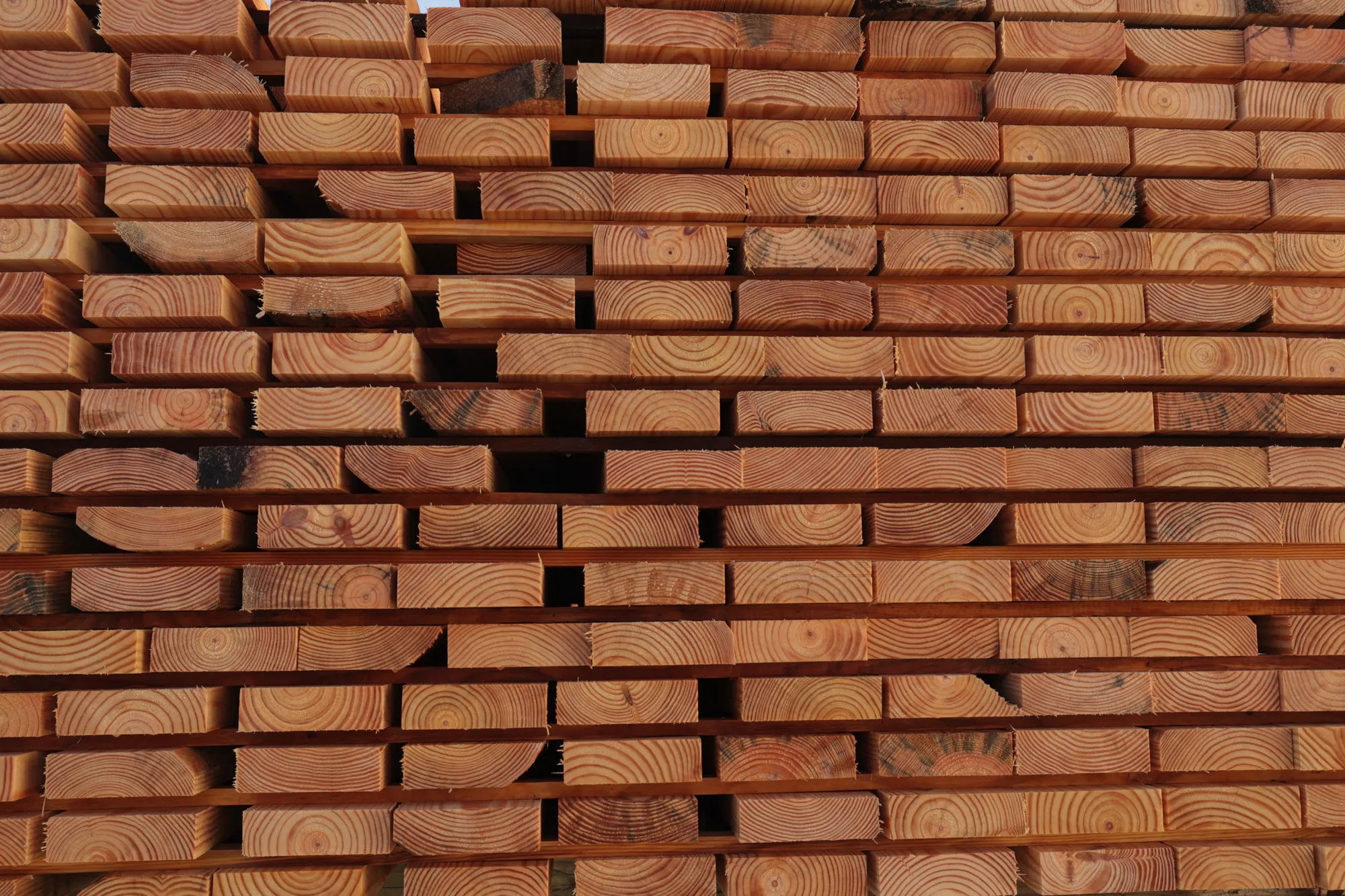
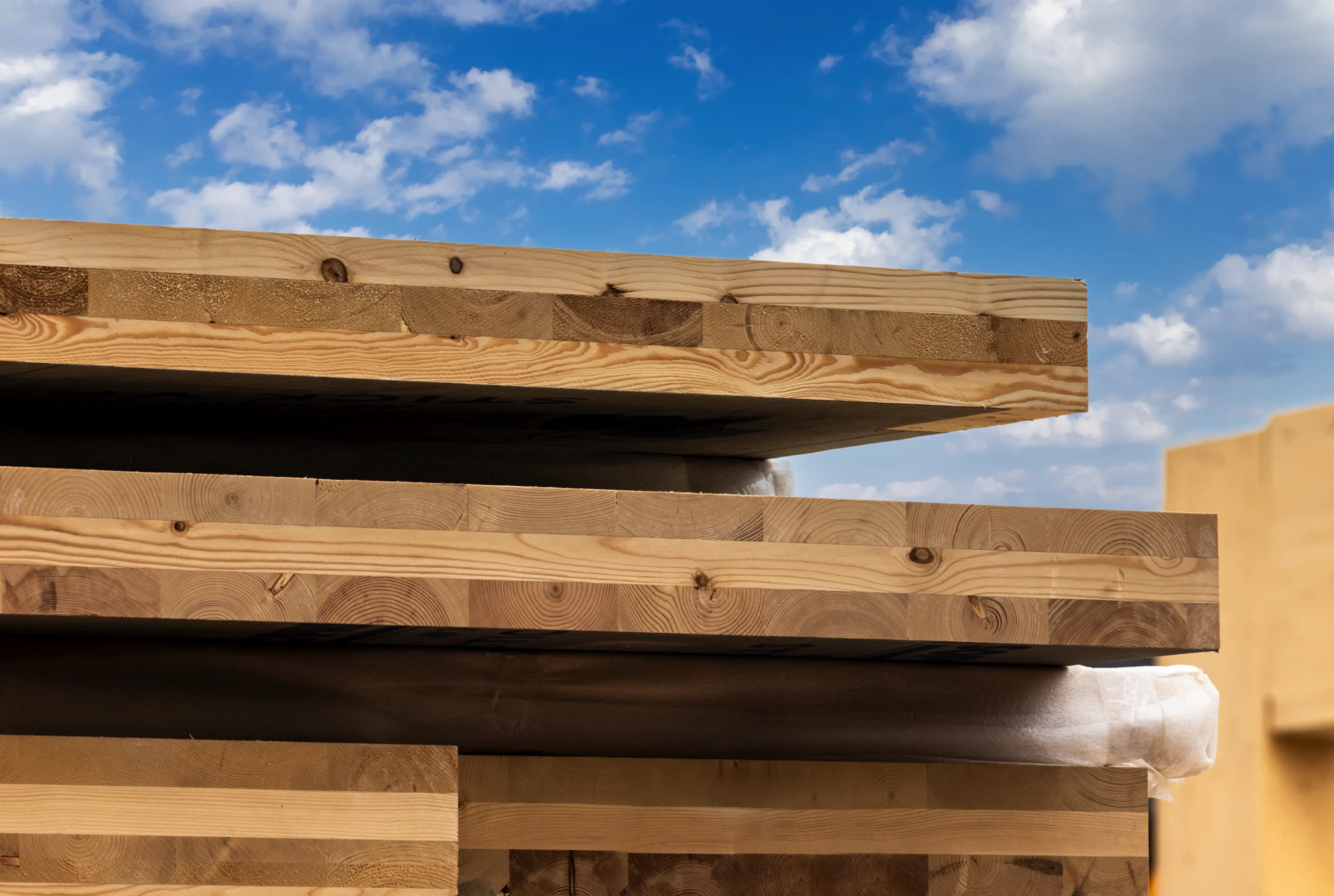
Bamboo culms are milled into strips, laminated in cross-directional layers, and pressed into panels. The construction gives Plyboo hardwood density and dimensional stability, plus a grain no tree can produce.

Dense and Durable
Cross-laminated bamboo gives Plyboo hardwood-level hardness and excellent dimensional stability, in commercial and residential interiors alike.

Works Like Wood
Plyboo cuts, routs, glues, and mechanically fastens using the same tools and methods as any hardwood plywood. No specialty crew, no learning curve.

Sculptural by Design
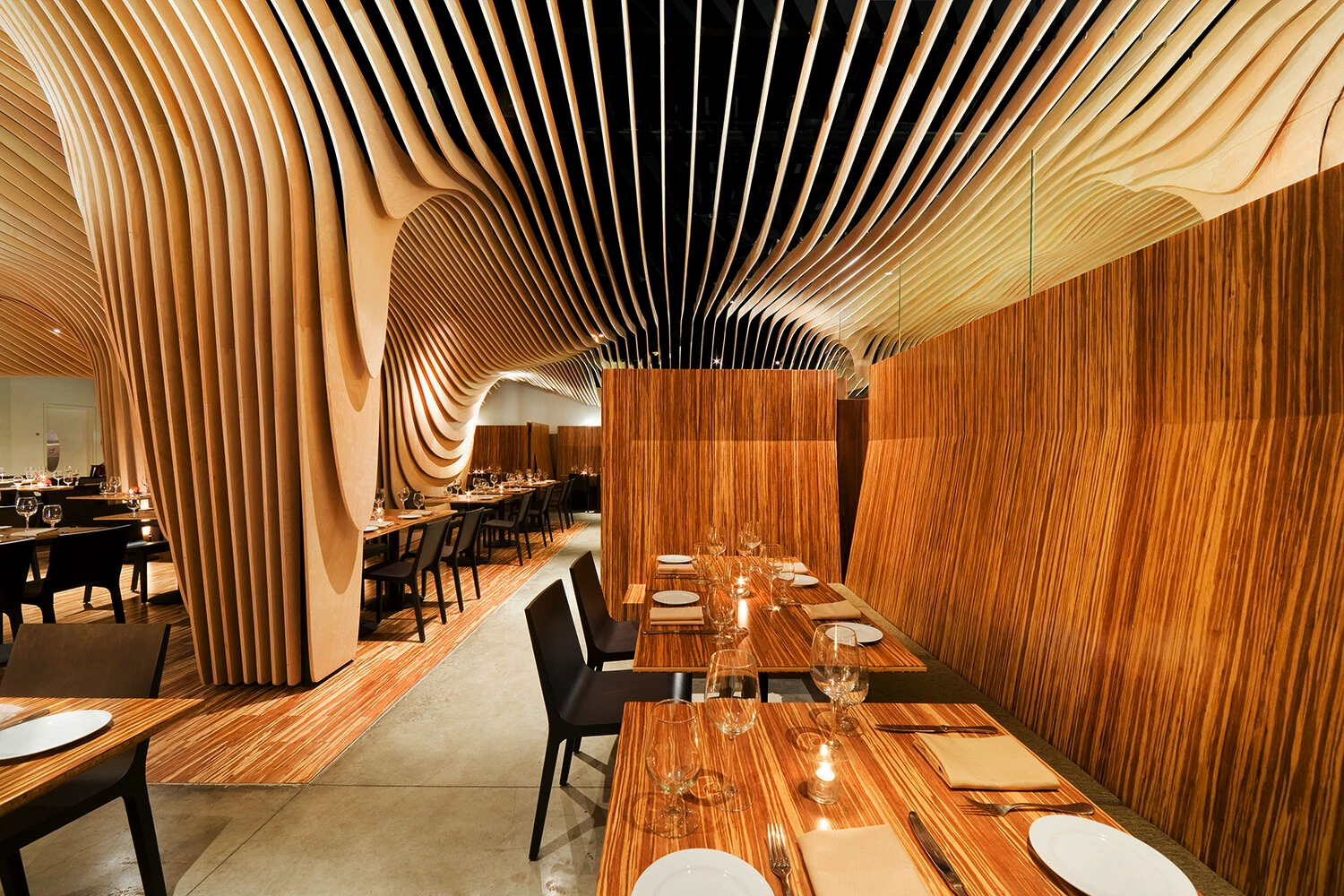
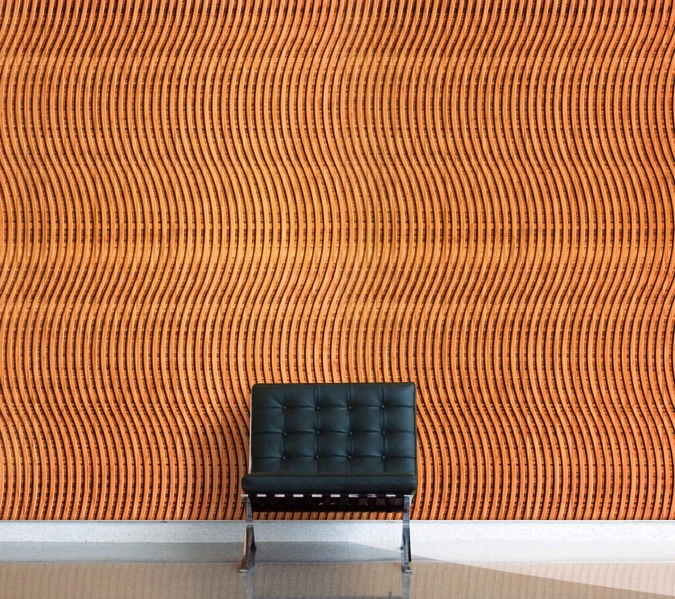
The Reveal, Linear Line, Fractal, and PlybooSound collections carve the face layer to expose the inner core, turning a flat panel into texture, pattern, or acoustic control.

Renewable and Low-Emitting
Bamboo regrows from its own roots in five to six years, with no replanting and no clearcut. Panels are made with no added urea formaldehyde and tested to CARB2 and CDPH 01350.

%201.webp)
Ready to build?
Discover wood with a story. Request pricing, download technical specs, or talk to our team of experts about your unique project needs.
Frequently asked
What is Plyboo?
Plyboo is architectural bamboo plywood, flooring, and wall paneling made by Smith & Fong. Bamboo culms are milled into strips, laminated in cross-directional layers, and pressed into panels. The result performs like a premium hardwood plywood, with a grain and warmth entirely its own.
Is bamboo actually wood?
Bamboo is a grass, not a tree. But once milled and laminated it behaves like a hardwood: dense, hard, dimensionally stable, and worked with the same tools and joinery. What it does not share is wood's growth cycle. Bamboo reaches harvest maturity in five to six years and regenerates from its existing root system.
Where is it used?
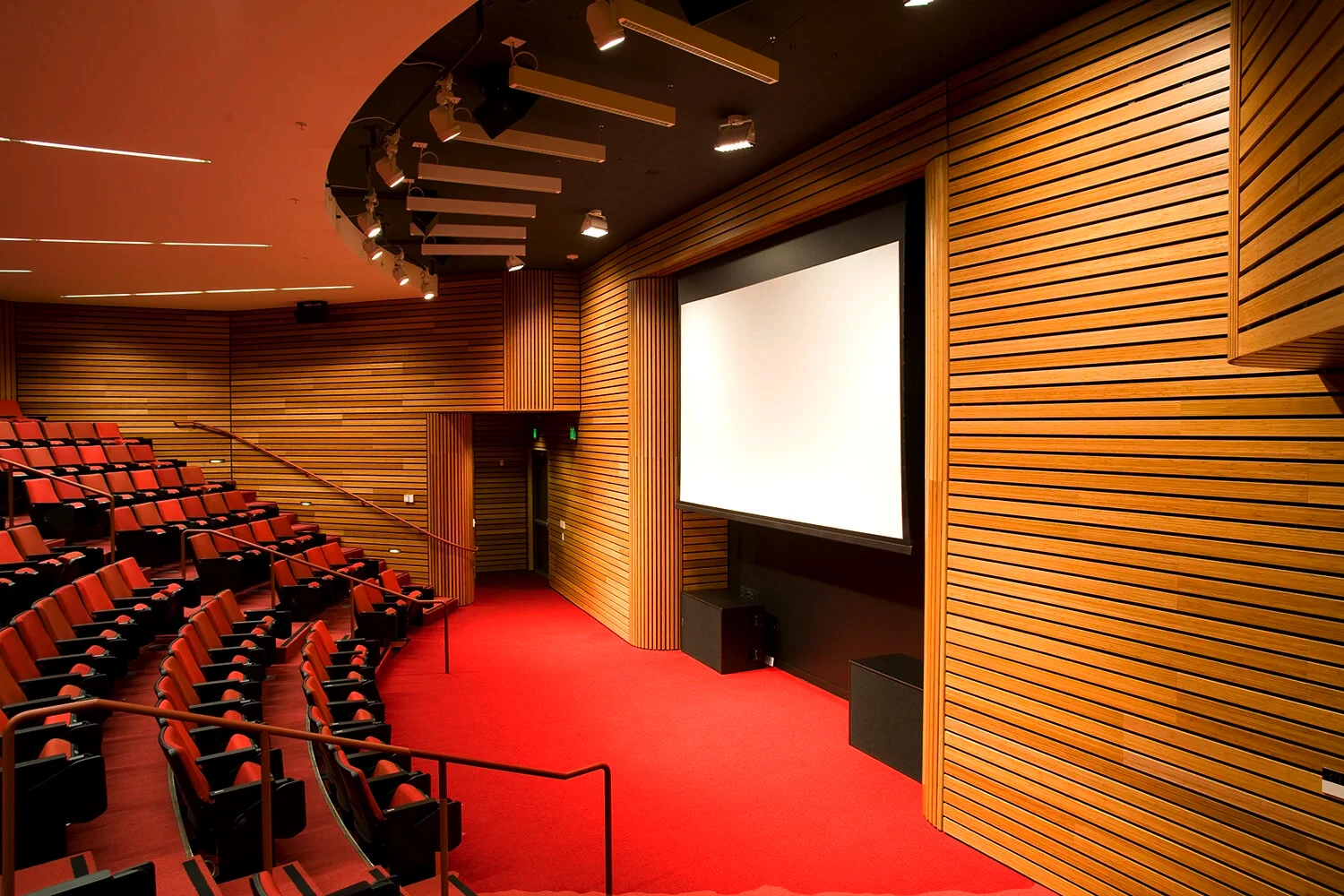
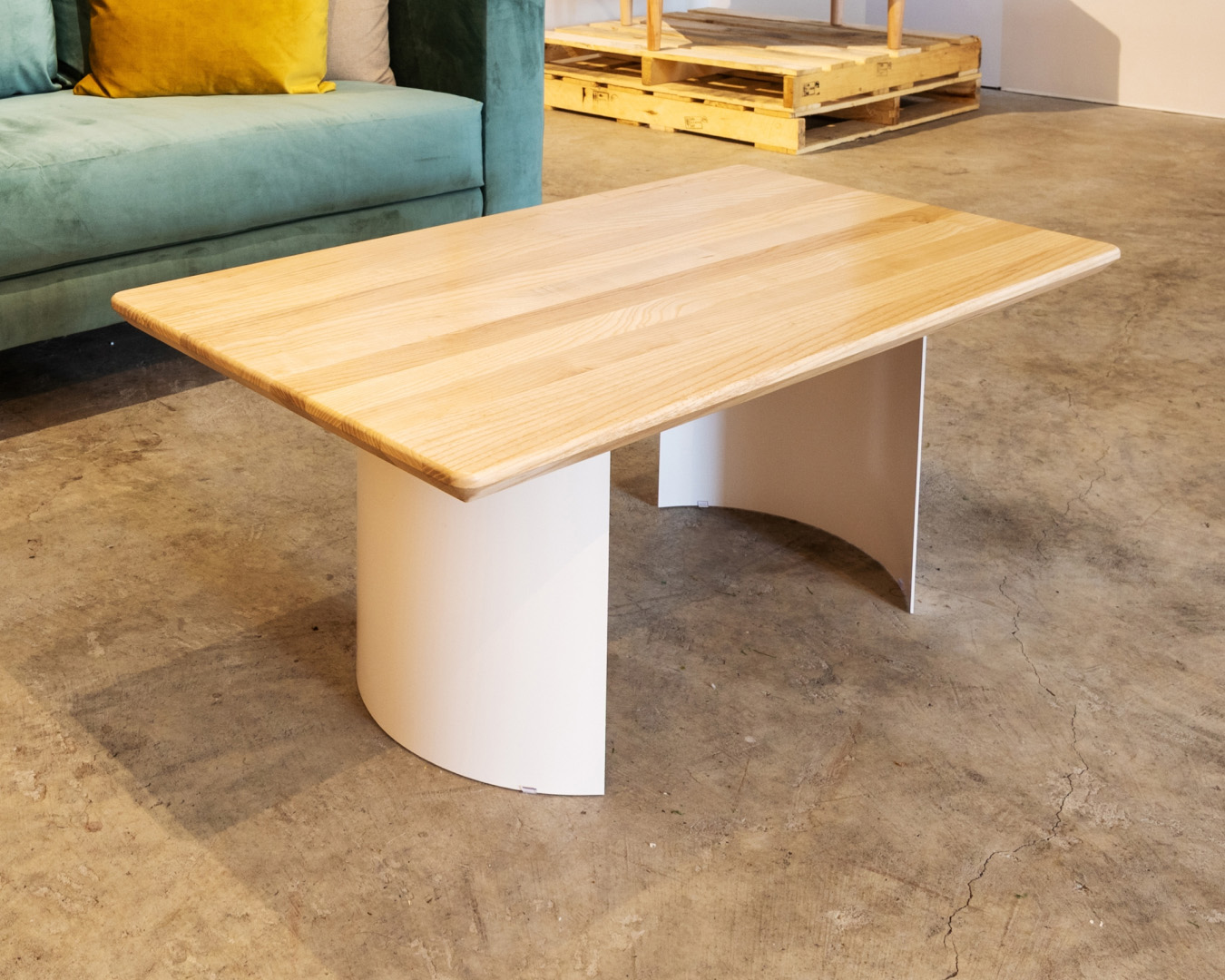
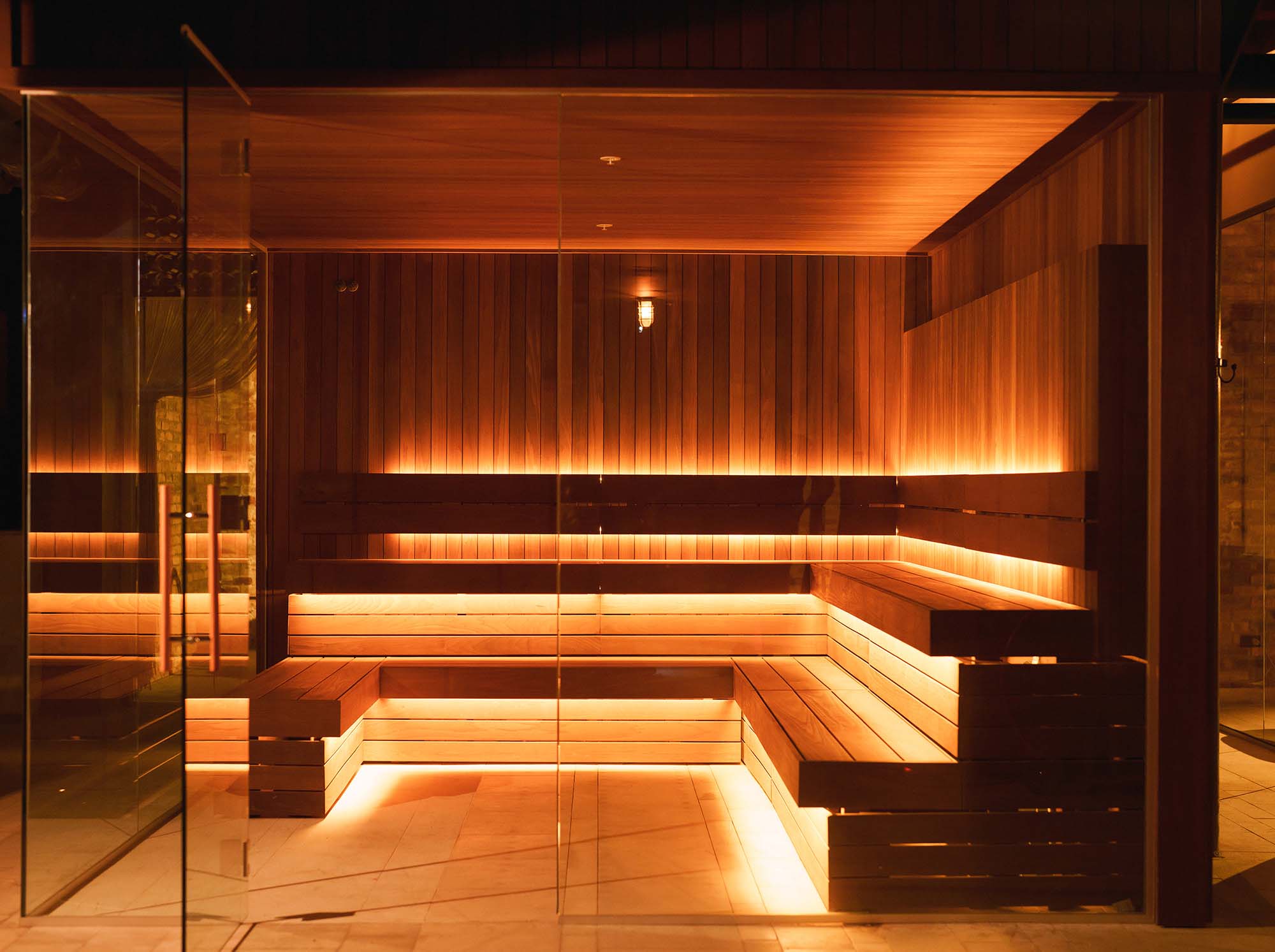
Plyboo shows up in interior wall cladding and ceilings, countertops, flooring, retail displays and fixtures, casework, and furniture. It can be specified anywhere a warm, durable, low-emitting interior surface is wanted.
How durable is it, and can it go outside?
Plyboo is dense and hard-wearing, rated for commercial as well as residential use, and it glues or mechanically fastens like any hardwood plywood. It is an interior material, though. Not intended for exterior exposure, and not structural or load-bearing.
Does Plyboo contribute to LEED?
Yes. Under LEED v4 and v4.1, Plyboo can contribute toward four credits: Sourcing of Raw Materials, when specified FSC® Certified 100%; Environmental Product Declarations and Material Ingredients, since Plyboo publishes both an EPD and an HPD; and Low-Emitting Materials, through CARB2 and CDPH 01350 emissions testing. LEED points are awarded at the project level rather than earned by any single product, so these are contributions, not guarantees. The Cambium team can supply the documentation your project needs.
How sustainable is it?
Bamboo is among the fastest-growing plants on earth. It reaches harvest maturity in five to six years and regrows from its own roots without replanting. Plyboo can be specified FSC® Certified 100%, publishes both an Environmental Product Declaration and a Health Product Declaration, and is made with no added urea formaldehyde.
What collections and finishes are available?
Plyboo spans flat-grain and edge-grain plywood, the denser strand-pressed PlybooStrand line, and the carved collections: Reveal, Linear Line, Fractal, and the acoustic PlybooSound. Panels commonly come in 4'x8' and 4'x10' at 3/4" thick, prefinished or unfinished, in natural and stained finishes. Because options vary, confirm current styles, sizes, and finishes with the Cambium team for your project.

%206.webp)
%20(1).webp)
%201.webp)
%204.webp)
.webp)
Build with Plyboo
Whether you've got a project in mind or you're just exploring, our team can help you find the right material.